5 Free Hidden-Gem Museums in London: Opening Days, Quiet Hours and Photo Rules
Updated 2026-10-02 · Guide Zaizai
Too many people at the British Museum and the National Gallery? London has a handful of smaller museums where the permanent collection is free, quieter and easy to photograph. This guide covers five, each with the same rundown: which days it opens, how to get there, when it's quietest, and what you can photograph. Pick one or two that suit your interests — there's no need to see them all.
Two things first: free means the permanent collection only — special exhibitions, paid tours and events cost extra; and small doesn't mean empty — how busy it is depends on when you go, so where a museum publishes quiet hours, they're listed below.
Pick one, then check which days it's open
- The Wallace Collection: gilded rooms, paintings and furniture. Open daily
- Sir John Soane's Museum: architecture and sculpture, in a house packed with objects. Wednesday–Sunday
- Museum of the Home: how British homes have changed over the centuries, plus a garden. Tuesday–Sunday
- Grant Museum of Zoology: animal skeletons and specimens, if that's your thing. Tuesday–Saturday, doors open at 1pm
- Guildhall Art Gallery: paintings upstairs, Roman ruins downstairs, in the City of London. Open daily
Rule out the closed days before you plan:
- Monday: Soane, Museum of the Home and the Grant are closed — only the Wallace and Guildhall are open
- Tuesday: Soane is closed; the Grant doesn't open until 1pm
- Sunday: the Grant is closed
- Wednesday to Friday: all five are open — the easiest days to plan
- Bank holidays (UK public holidays, mostly on Mondays): each museum does its own thing, so check its website
1. The Wallace Collection: like walking round an aristocrat's mansion
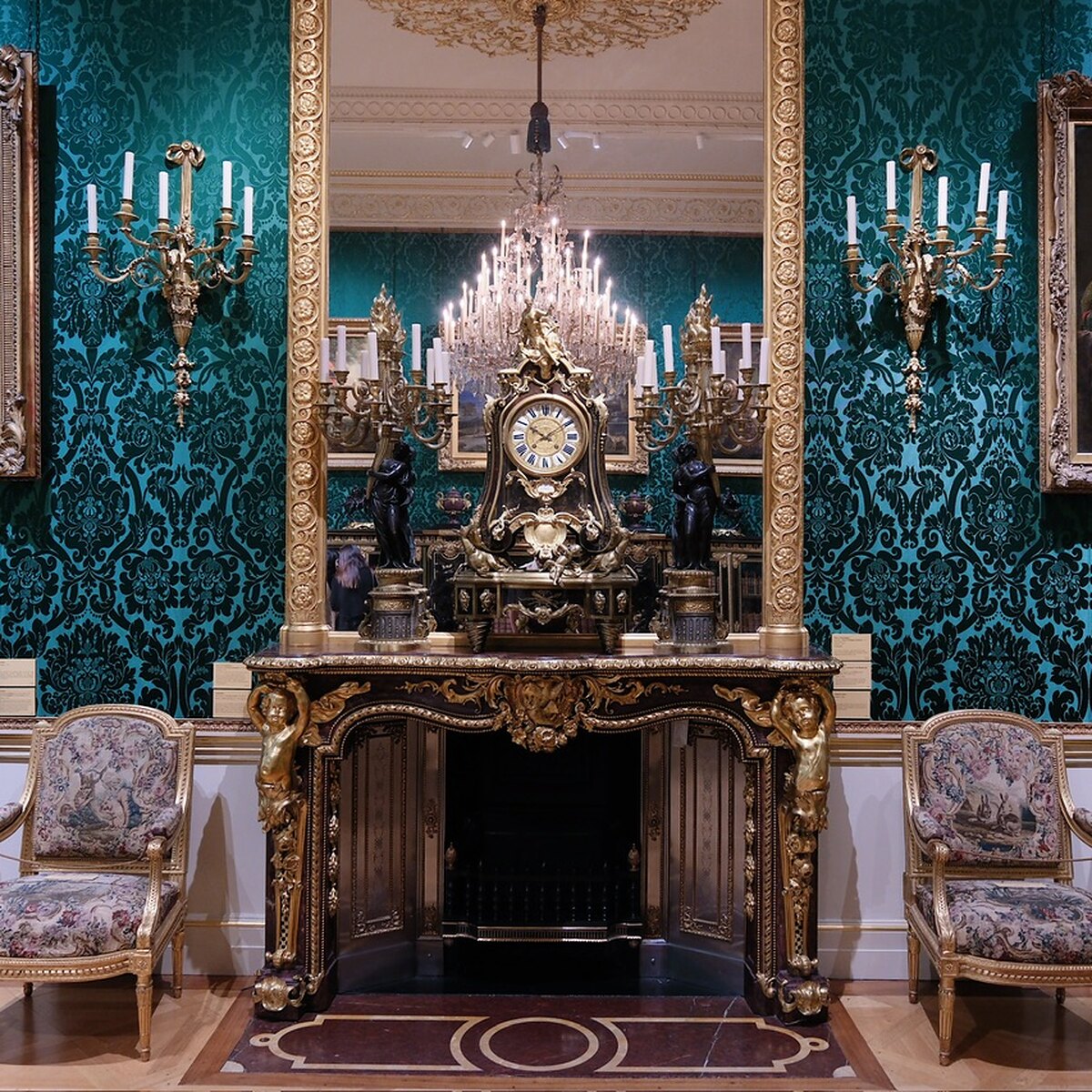
This was an aristocratic family's London house, and the wall colour changes from room to room. Gilded decoration, crystal chandeliers, fireplaces, furniture and paintings sit together, so almost any angle makes a good photo. One of its best-known works is Fragonard's The Swing, though displays change, so check on the day whether it's out. Allow 1–1.5 hours.
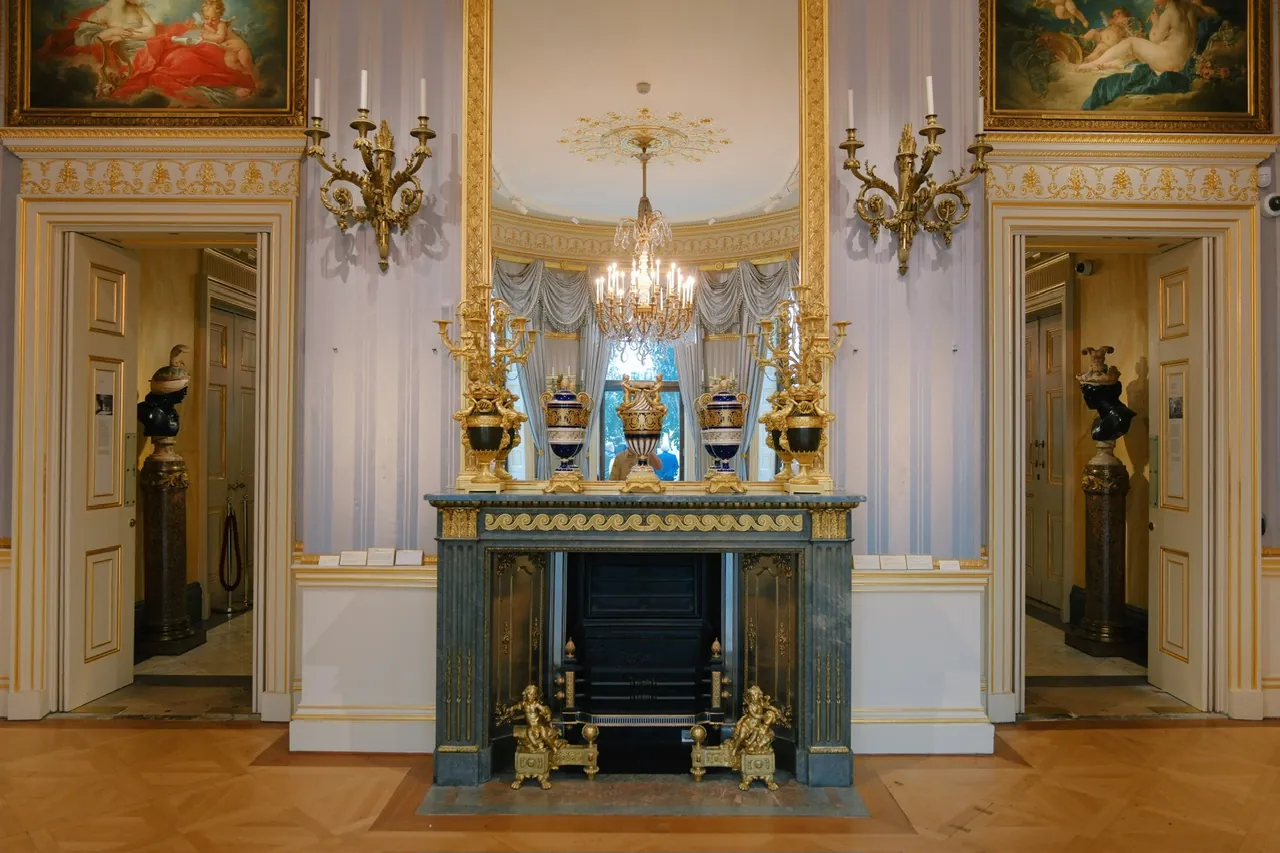
- Opening and tickets: Daily 10:00–17:00. The permanent collection is free and unticketed — just walk in, no booking needed (groups of 6 or more must book ahead). Special exhibitions need a separate ticket. Closed 24–26 December.
- Getting there: Take the Tube to Bond Street station (Central, Jubilee and Elizabeth lines), about a 7-minute walk; Marble Arch (Central line) is about 10 minutes. Address: Hertford House, Manchester Square, W1U 3BN — searching "Wallace Collection" in your map app is enough.
- Quietest times: The museum says weekdays 10:00–11:00 and 16:00–17:00 are usually quietest, and Saturdays 12:00–15:00 the busiest. There's no queue to get in, and the Armouries are usually calmer.
- Photography: Handheld phones and cameras are fine for photos and video. No flash, reflectors or modelling lights, tripods, selfie sticks or gimbals; no posed portrait, fashion or celebration shoots, and don't photograph other people.
- Check before you go: Official opening times and notices
2. Sir John Soane's Museum: an architect's house, packed to the rafters
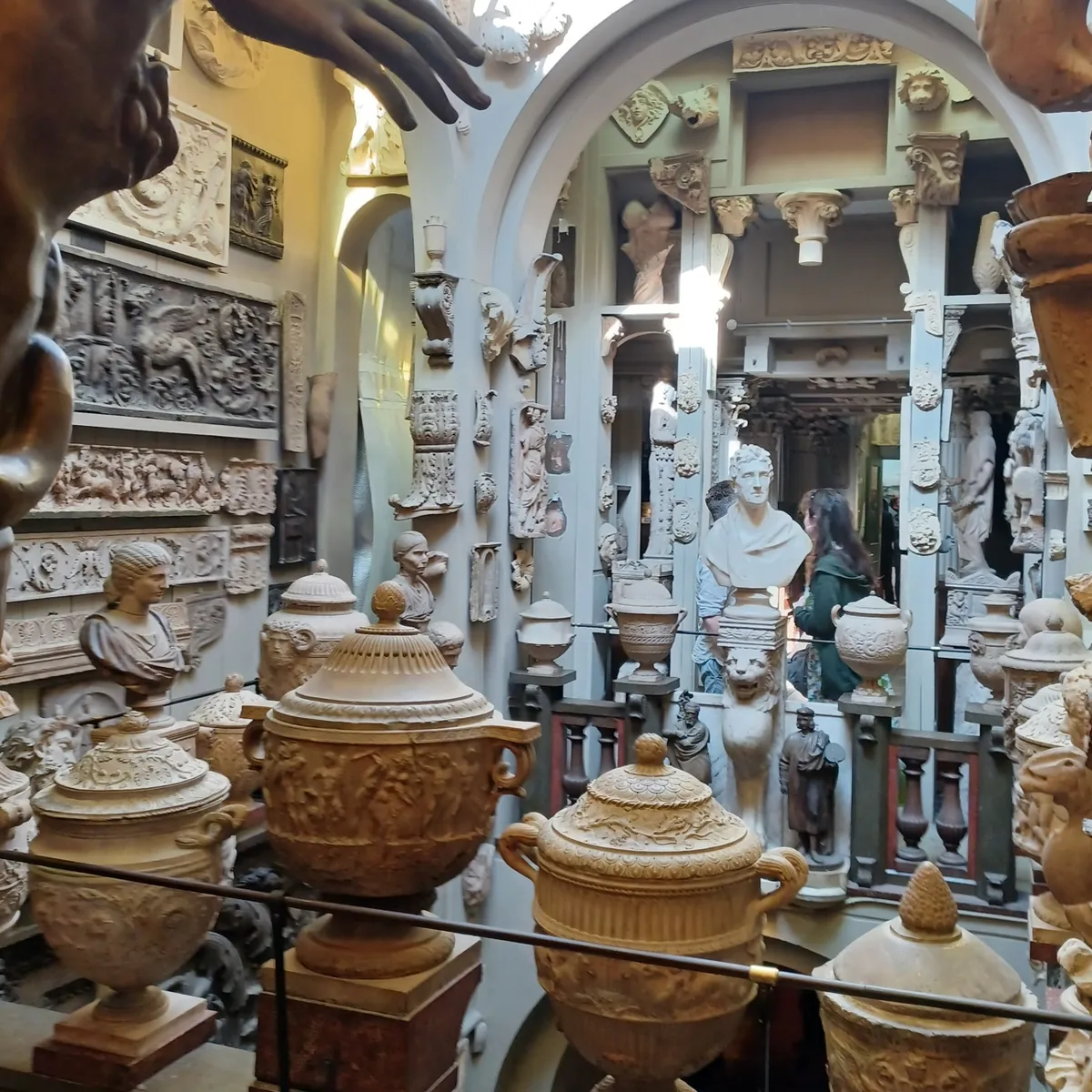
Soane was a British architect, and this was his own home. He turned it into a collection: sculpture, architectural models and fragments of antiquities are stacked layer upon layer, with light falling from above, so it feels like a maze. There's also the sarcophagus of the Egyptian pharaoh Seti I. The house is small: allow 45–75 minutes, plus time to queue.
- Opening and tickets: Wednesday–Sunday 10:00–17:00, last entry usually 16:30; closed Monday and Tuesday (except bank holidays). Free, and no booking — just turn up and queue; when the house is full, entry can stop early.
- Getting there: Holborn station (Central and Piccadilly lines), about a 5-minute walk. Address: 13 Lincoln's Inn Fields, WC2A 3BP — the entrance is the original front door of No. 13.
- Quietest times: The museum only says it's small and popular, so there may be a queue; it doesn't publish quiet hours. One visitor reported waiting about 30 minutes in August. Suggestion: go on a weekday and arrive before opening.
- Picture Room: Staff open the Picture Room's panels at set times to reveal the paintings hidden behind them. The website currently lists 11:00, 14:00, 15:00 and 16:00; times can change, so check the notice when you arrive.
- Free small-group tour: On Wednesdays, Fridays and Sundays at 14:00 there's a tour of the Private Apartments — first come, first served, with limited places.
- Photography: Photos only — no filming. No flash, tripods, selfie sticks or large cameras and lenses. Don't linger in busy corners where you'd block other people.
- Check before you go: Official visitor information
3. Museum of the Home: how the British home has changed
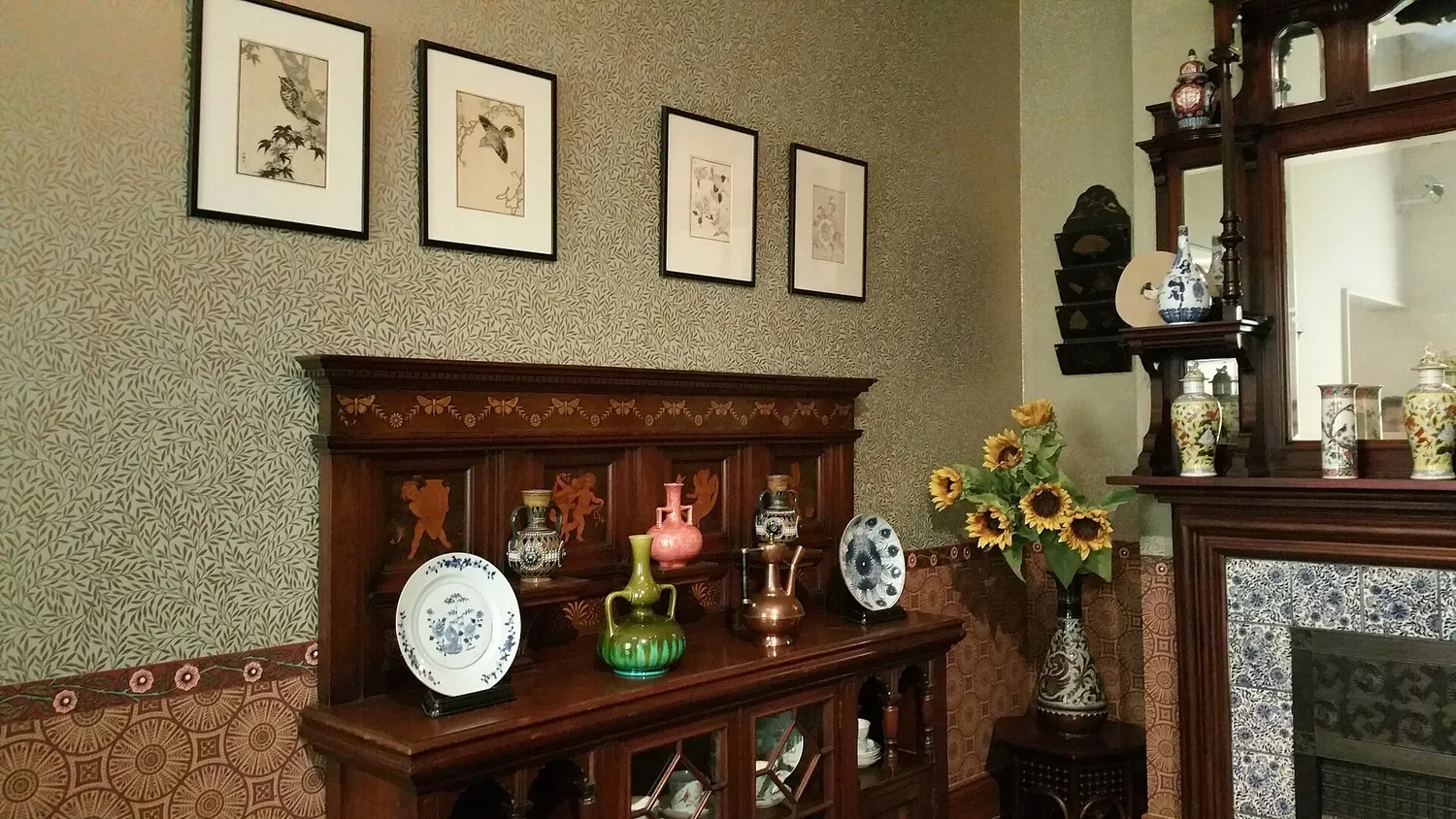
Formerly the Geffrye Museum — you'll still see that name in older guides. A series of period rooms (Rooms Through Time) runs from 1630 all the way to 2049, including a "home of the future". It isn't only wealthy households: there are ordinary families from different backgrounds too. Allow at least an hour, or 1.5–2 hours to take it slowly, and there's a garden to finish with.
- Opening and tickets: Tuesday–Sunday 10:00–17:00, and open on bank holiday Mondays; closed other Mondays. Free, no booking, though entry may be limited when it's busy. The front garden on Kingsland Road is open on Mondays, but the galleries are not — don't mix the two up.
- Getting there: Take the Overground (London's above-ground rail line; you tap in and out with the same card as the Tube) to Hoxton station — there's an entrance opposite the station. Address: 136 Kingsland Road, E2 8EA.
- Quietest times: The museum suggests weekday and Sunday mornings; Saturdays 12:00–15:00 and school holidays are the busiest. Some of the period rooms are tiny, so you may have to wait for people to come out.
- Photography: Photos are welcome; no flash, tripods or extra lighting. One visitor says the window light is best on a sunny day.
- Food and drink: Not allowed in the galleries. There's a Lunch Room, and you can picnic in the front garden.
- Check before you go: Official visitor information
4. Grant Museum of Zoology: a small world of specimens inside a university
UCL's zoology teaching collection: a hall of old wooden cabinets filled with skeletons and specimens in jars — including a big jar of moles (the Jar of Moles) — plus a small space called the Micrarium, with a wall of backlit microscope slides. It reopened in 2024 after a refurbishment. A fair warning: this is a natural-science collection with animal bones and preserved specimens, so it isn't for everyone. Allow 45–60 minutes.
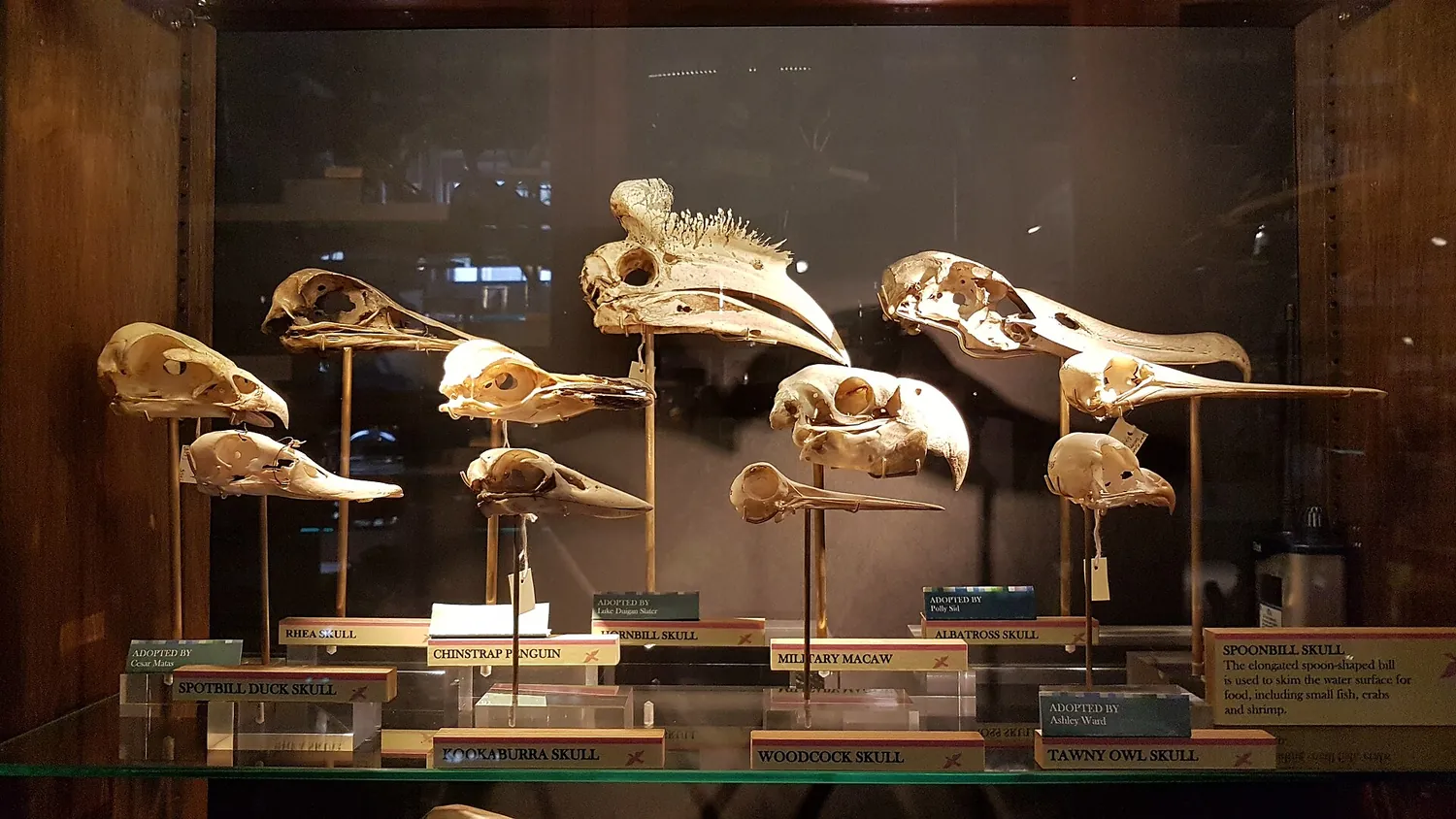
- Opening and tickets: Tuesday–Saturday 13:00–17:00; closed Sunday and Monday. The mornings (10:00–13:00) are for research visits and aren't open to the public. Free, no booking.
- Getting there: Inside the UCL campus, in the Rockefeller Building, 21 University Street, WC1E 6DE. Euston Square, Warren Street and Goodge Street stations are all nearby, about a 5–10 minute walk.
- Quietest times: When the museum is full, staff let people in one out, one in; outside school holidays the website expects waits of no more than 5–10 minutes.
- Photography: Personal photos and video are fine. Flash, tripods and selfie sticks aren't allowed, and posed shoots or live-streaming need the museum's prior consent. If the glass cases reflect, change your angle rather than using flash.
- Good to know: No cloakroom and no café. It closes for Christmas from late December until early January (the website says it reopens on 5 January), so check before you go if you're visiting around then.
- Check before you go: Official visitor information
5. Guildhall Art Gallery: paintings upstairs, Roman London downstairs
Guildhall is in the City of London — the oldest part of London, and today its financial district. One free ticket covers two things: upstairs, an art gallery with Victorian paintings and pictures of London; downstairs, the remains of a Roman amphitheatre. Only the foundations and the outline survive — it isn't a complete arena, so think of it as "a glimpse of Roman London". The dark paving in the square outside marks where the amphitheatre stood. The free ticket covers the gallery and the underground ruins only, not the rest of Guildhall's halls. Allow 60–90 minutes.
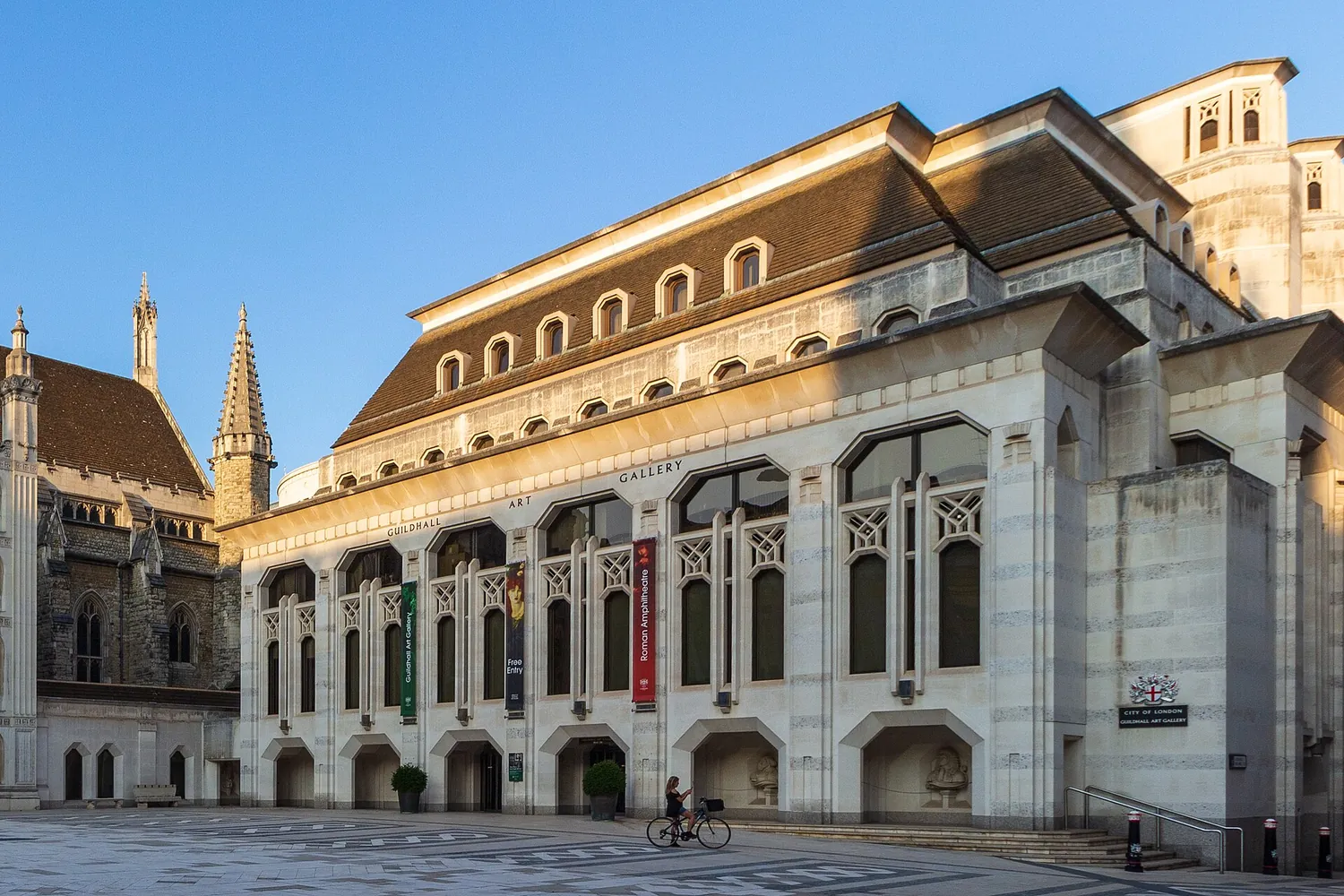
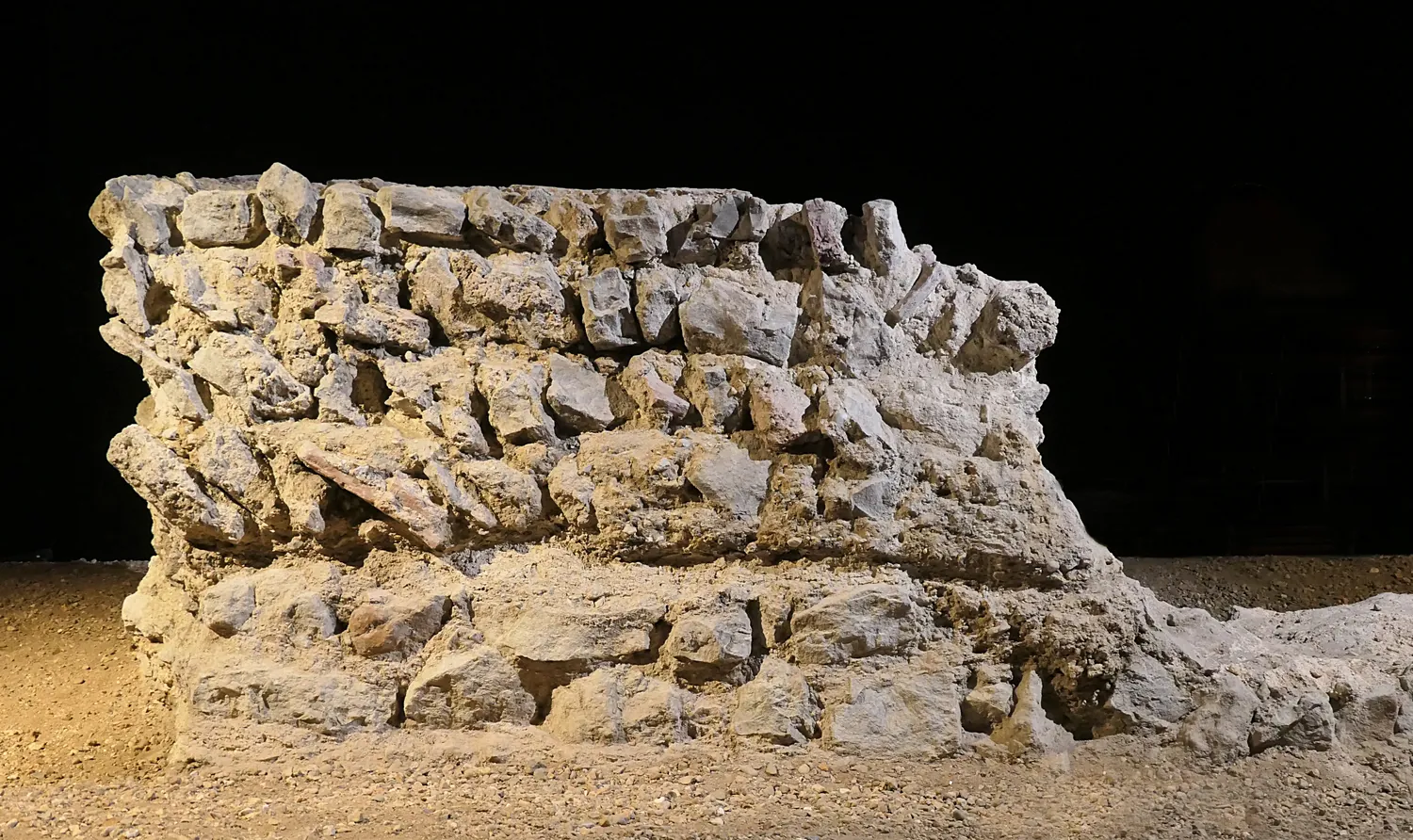
- Opening and tickets: Daily 10:00–17:00, last entry usually 16:45. Free. The website recommends booking a free General Admission ticket in advance (booking page), but you can also just turn up.
- Special closures (2026): Closed all day on 21 October and 16 November; on 13 November open 10:00–15:30 only (the upper main gallery until 12:00); on 14 November it doesn't open until 11:00.
- Getting there: Bank station is the closest (about 300 m; Central, Northern and other lines), then St Paul's and Moorgate (about 400 m). The entrance is in the courtyard called Guildhall Yard: Guildhall Yard, EC2V 5AE. Expect a bag check on the way in.
- Quietest times: No quiet hours are published; the website only suggests that visitors without children avoid days with family activities.
- Free tours: Tuesday to Sunday at 12:15 and 13:15, about 30–45 minutes, no booking (cancelled on 28 October for a family event).
- Photography: The website doesn't state rules for the interior, so ask at the front desk. The building and square outside are fine to photograph.
- Check before you go: Official visitor information
Two museums a day is plenty: 3 routes that fit together
The five are spread across London, so plan two at most in a day. For the journey between them, use a map app (Google Maps, Apple Maps or Citymapper) and choose "public transport" for live directions; for how to pay on the Tube, see First Time in London: Contactless vs. Oyster.
Route A: Soane + Wallace (Wednesday–Friday)
- Arrive at Soane at 9:45 and go in when it opens at 10:00; if you want the 11:00 Picture Room opening, don't be late.
- Have lunch around Holborn.
- At Holborn, take the Central line (the red line on the Tube map) to Bond Street — same line, no changes.
- Reach the Wallace around 15:00 and stay until closing; after 16:00 is the quiet window the museum suggests.
Route B: Museum of the Home + Guildhall (Tuesday–Friday)
- Be at the Museum of the Home at 10:00 and spend about 1.5 hours; the Lunch Room is there for lunch.
- Check the route from Hoxton to Guildhall in a map app (Guildhall is in the City).
- Arrive at Guildhall around 13:15 to catch the free tour; then see the paintings upstairs and finish with the Roman ruins downstairs.
- Check first that your day isn't one of Guildhall's special closures.
Route C: British Museum + Grant (Tuesday–Saturday)
Spend the morning at the British Museum, then walk about 10 minutes to the Grant after 13:00. The Grant only opens in the afternoon, so it slots neatly in after a big museum.
Five things to check before you go
- Free means the permanent collection only: special exhibitions, paid tours, events and food cost extra. A "Book" or "Buy" button on a website isn't necessarily an entry ticket.
- Don't bring a suitcase: Soane and the Grant can't really store large items, and the Wallace limits bag size (nothing over 56×25×45 cm, though there are free lockers). Leave bags at your hotel or a left-luggage point — see First Time in London: Getting In From Heathrow, Gatwick and Stansted, Plus Where to Store Your Luggage.
- Photo rules differ: Soane allows photos but not filming; the Wallace doesn't allow posed portrait shoots; never use flash.
- Tours aren't guaranteed: if you want a talk, ask at the front desk when you arrive rather than racing across town because you heard there was one.
- Check the website the day before: special closures, gallery maintenance and school holidays can all change the plan, and many museums close for Christmas in late December and early January. Information in this guide was checked on 2 October 2026.
All five are easy to enjoy on your own — a quick look round and you're done. If your trip also includes a big museum like the British Museum or the National Gallery, where there is so much to see that it's easy to lose the thread, the British Museum guided tour in Chinese and the National Gallery guided tour in Chinese can help you focus on the highlights, leaving the afternoon free for one of the small museums above.
Photos from Wikimedia Commons, all cropped or compressed. Some are older photos, shown as a preview only — displays and crowds on the day may differ: Wallace, teal room and Wallace, ivory room by Scott Wylie, CC BY 4.0; Soane by Simon Burchell, CC BY-SA 4.0; Museum of the Home and Grant Museum bird skulls by JRennocks, CC BY 4.0; Guildhall exterior by The wub, CC BY-SA 4.0; Roman amphitheatre remains by Amanda Slater, CC BY-SA 2.0.
Related guided tours

Zaizai
UK Museum Guide