First Time in London: Contactless vs. Oyster, Daily Caps, and Getting In From All Four Airports
Updated 2026-08-02 · Guide Zaizai
The easiest way to overspend on your first trip to London isn't getting off at the wrong stop — it's tapping with the wrong thing: your physical card in the morning, then Apple Pay on your phone in the afternoon; tapping straight onto the Heathrow Express and assuming it caps like everything else; two people trying to share one bank card through the gates. Any of these costs you real money, not just a couple of pounds for a wrong platform. Here's the one rule to remember first: as a short-stay adult visitor, default to Contactless — your bank card or phone — unless you have a specific reason to get an Oyster card. Reasons that count: your card keeps getting declined in the UK, it charges a foreign transaction fee on every tap, you're eligible for a Railcard discount, or you're travelling with an 11–15 year old. Below, in order: how to tap, how the cap actually works, how to get in from each of the four airports, and the child/Railcard exceptions — all as steps you can follow directly.
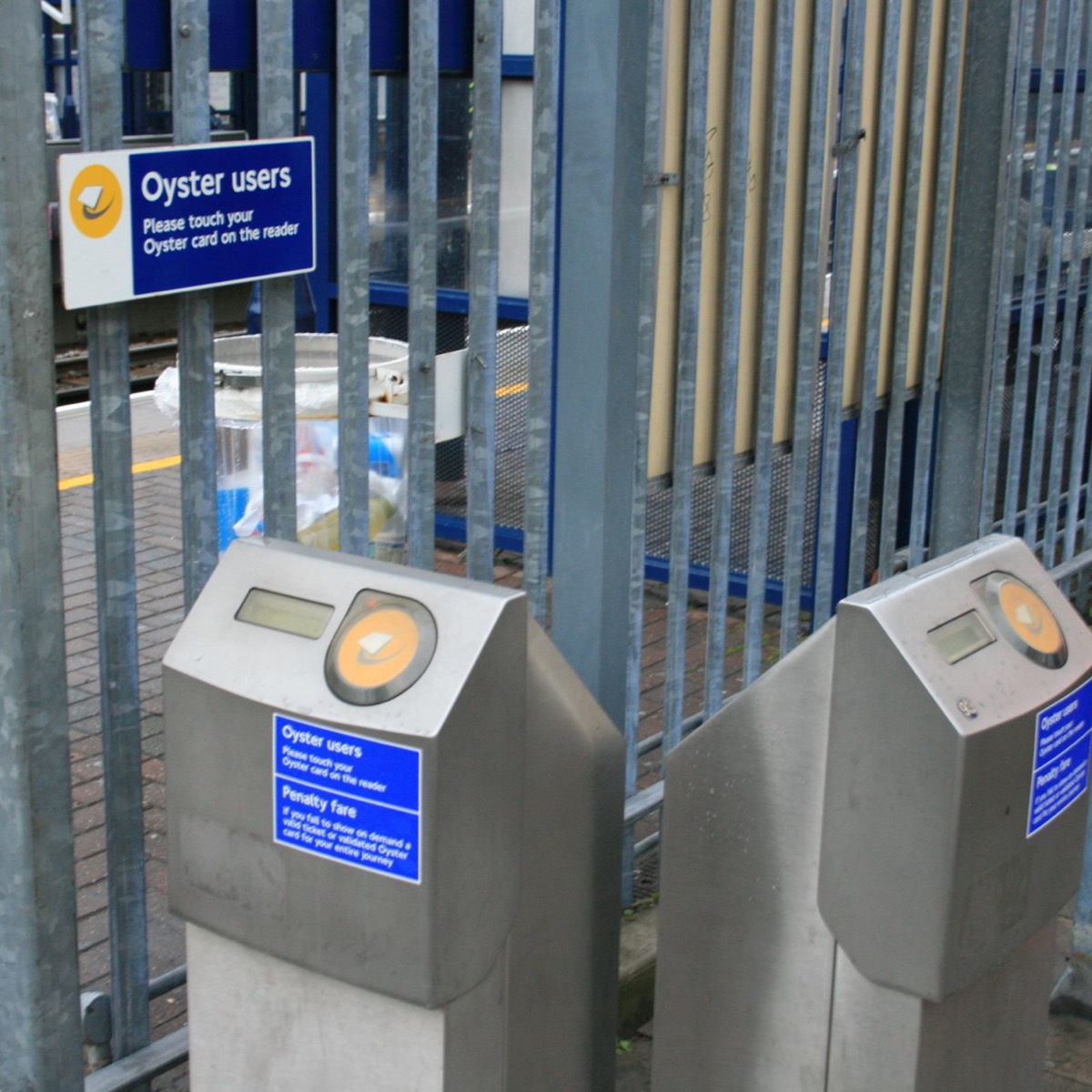
Remember this first: how to tap with Contactless, and how the cap works
Start with which situation you're in:
- Your bank card or phone taps reliably in the UK and the foreign transaction fee is low or zero (check your banking app or call your bank before you fly): just use that card or phone. No need to buy anything else.
- Your card gets declined often, charges a flat fee per foreign transaction, or you'd rather not carry your main card around: get a standard Oyster card — £10 for the card, then top it up yourself. Don't pay extra for a Visitor Oyster "for tourists" (£10.50, also non-refundable) — a standard Oyster bought after you land does exactly the same job.
- You hold an eligible Railcard (16–25, 26–30, Senior, HM Forces, Veterans, or Disabled Persons): get an Oyster card and have staff add the Railcard at the station — see "Kids and Railcards" below for the details.
- You're travelling with an 11–15 year old: that child needs their own Oyster or Visitor Oyster card — also covered below.
If you've read an older guide claiming a £5 Oyster deposit, that's outdated. Any standard Oyster bought since September 2022 costs £10 and that fee is non-refundable — don't go by old numbers.
Two rules for how you actually tap:
- Tube, Elizabeth line, London Overground, DLR, National Rail: tap the yellow reader once going in, and once again going out — even if the gates are standing open. Skip the tap-out and the system treats it as an incomplete journey, which can charge you the maximum fare. That maximum fare does not count toward your daily cap.
- Bus and tram: tap once when you board. Don't tap again when you get off — doing so can charge you a second time.
Two more things to get right every time you tap: stick to the same card or device all day. Your phone, your watch and your physical card are three separate identities to the system — tap in with your phone in the morning and your physical card in the afternoon, and those fares won't automatically combine toward the same cap. And each paying passenger needs their own card or device — the gate reads a card, not a headcount, so two people can't share one card through the barrier. Keep your Oyster and bank card apart when you tap; holding your whole wallet against the reader risks charging the wrong card (known as a "card clash").
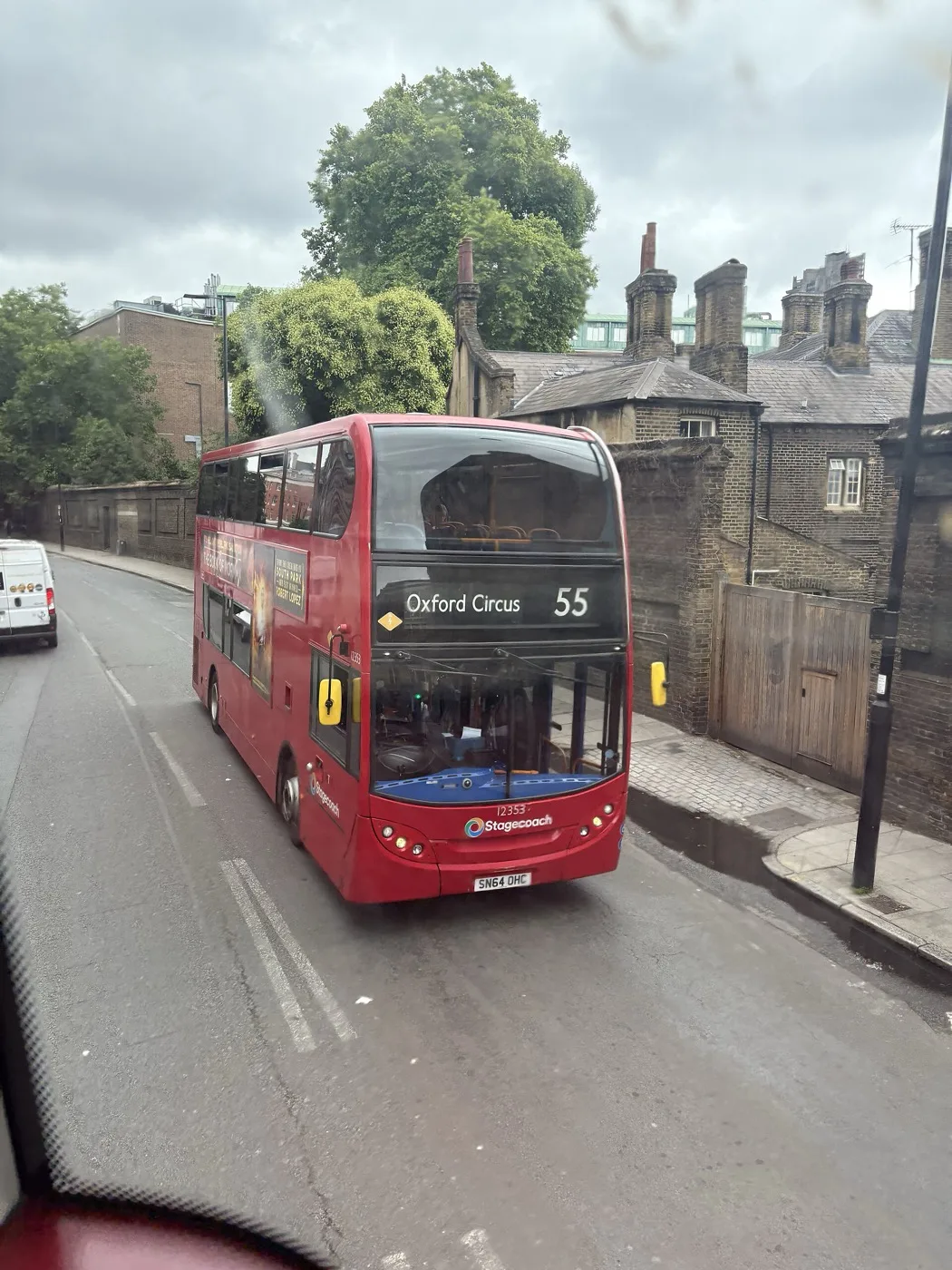
How the Daily Cap works: you don't calculate it, but you should know the numbers. The system tracks which zones you've travelled through that day (Zone 1 is central London, the number goes up the further out you go — the British Museum, Buckingham Palace, the London Eye and the National Gallery are all in Zone 1–2, where most visitors spend their time) and what you've already been charged, then automatically applies whichever cap works out cheapest for you. Once you hit that number, tapping again on the same card that day won't charge you any more. All this needs from you is the same two habits from above — one card, tap in and out — and the cap applies itself; there's nothing to request or buy in advance. Adult PAYG caps for 2026 look roughly like this:
- Travel only within Zone 1 or Zone 1–2: £8.90 a day, £44.70 a week (Monday to Sunday).
- Travel out to Zone 1–3: £10.50 a day, £52.50 a week.
- Out to Zone 1–4: £12.80 a day, £64.20 a week.
- Out to Zone 1–5: £15.30 a day, £76.40 a week.
- Out to Zone 1–6 (say, the day you come in from Heathrow and keep travelling in town): £16.30 a day, £81.60 a week.
- Bus and tram only, no Tube: £5.25 a day, £24.70 a week. A single bus fare is £1.75, and transfers within an hour of your first tap are free.
Three things people commonly get wrong — worth knowing in advance:
- A "day" doesn't run midnight to midnight — it runs 04:30 to 04:29 the next day.
- A "week" is a fixed Monday-to-Sunday block, not any 7 days you choose. A heavy travel stretch running Thursday to the following Wednesday won't reach a full weekly cap on either side.
- Hitting the cap doesn't mean the rest of London is free for the day. If you've already tapped up to £8.90 in Zone 1–2 and then travel out to Zone 3, the system just raises your cap to the Zone 1–3 rate of £10.50 — you pay the difference, you don't keep travelling for free.
Two examples to work from: you're staying in Zone 1–2 and hitting several sights in one day — Tube in the morning, bus at lunch, Tube again in the evening. As long as you use the same card all day, an adult pays at most £8.90, and you never have to do the maths yourself. Or: you land at Heathrow (which counts as Zone 6) and take the Elizabeth line into town on the same card, then take a few more Tube rides in the evening — the system merges the airport leg and your evening trips into one total, capped at the Zone 1–6 rate of £16.30. Same condition applies: it only merges if you stayed on the same card the whole day.
Getting in from Heathrow: three lines, and whether they count toward your cap
Heathrow has three rail options into London: the Piccadilly line, the Elizabeth line, and the Heathrow Express. For exactly which one to pick by where you're staying, timing and fares, see our other guide, Getting Into London From the Airport, Plus Where to Store Your Luggage — it covers that in full. Here's just the part that's directly about how you pay:
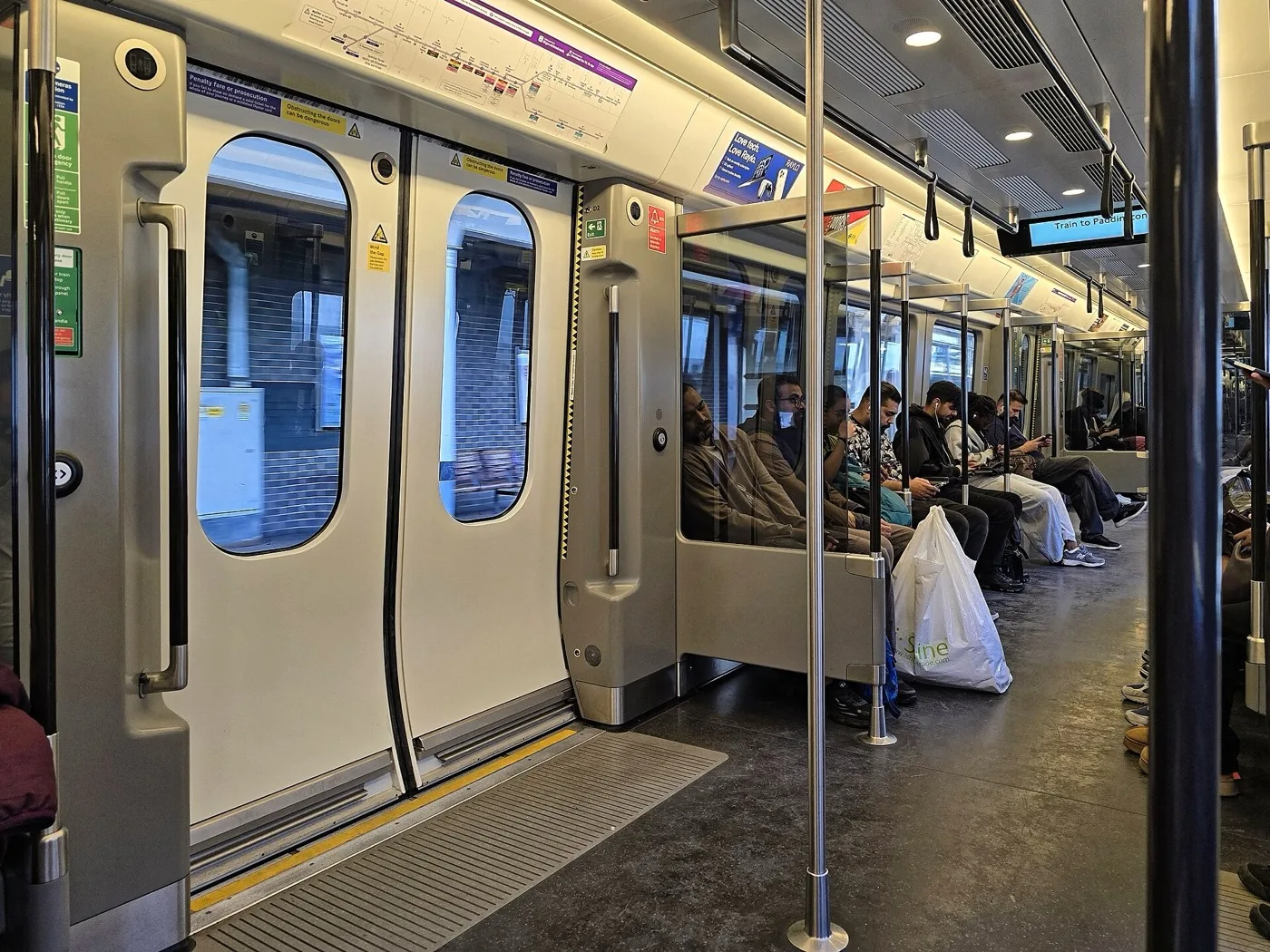
The Piccadilly line and Elizabeth line are both part of the TfL network — tap Contactless or Oyster, and the fare merges with the rest of your day's travel under the same cap (Heathrow sits in Zone 6). The Heathrow Express does not count toward your daily cap. It accepts Contactless and Oyster too, but you're charged whatever you tap for, separately from everything else, and booking ahead on the official site is usually cheaper than tapping on the day. Worth knowing before you pick, since it matters more than shaving off a few minutes of travel time.
Gatwick, Stansted and Luton: what to watch for when you tap
For exactly which line to take, which terminal to head for, and how to pick a route by where you're staying, see Getting Into London From the Airport, Plus Where to Store Your Luggage — that guide covers all three airports in more depth. Here's just what's relevant to paying and tapping.
Gatwick runs its own separate airport cap — not the ordinary Zone 1–6 one. Tapping Contactless or Oyster to or from Gatwick (on anything other than the Express) falls under the airport's own capped fare: round trip, that's up to £40.80 a day at peak times, £24.10 off-peak, and £129.40 for the week — and that figure only covers the Gatwick leg, so don't add it to your ordinary Zone 1–6 cap for the rest of the day. The Gatwick Express, like the Heathrow Express, accepts Contactless and Oyster for boarding but doesn't count toward any cap — you're charged separately, and booking ahead online usually gets a discount.
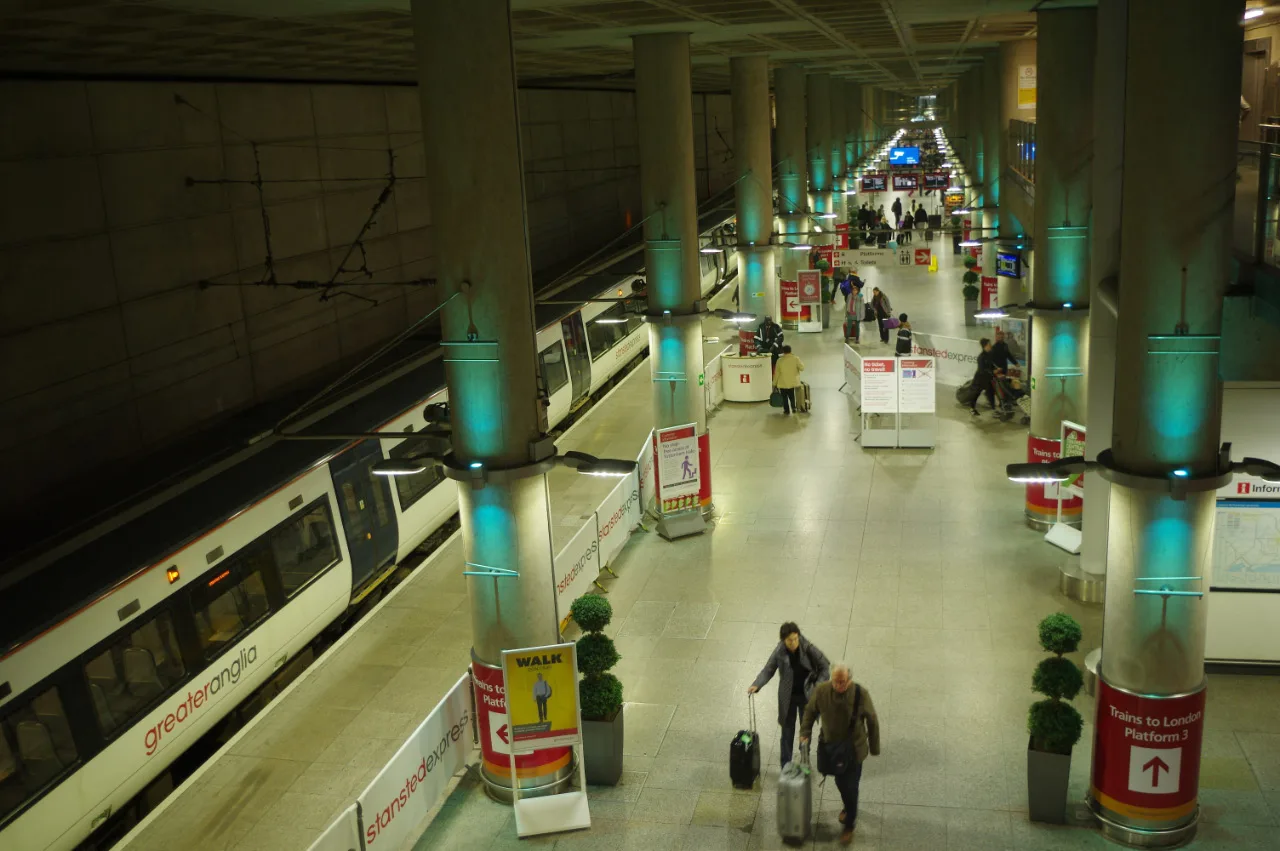
Stansted: Oyster doesn't work here. Contactless works for boarding — including Apple Pay and Google Pay — which is a fairly recent change. But an Oyster card will not work at the Stansted Airport gates, so don't bring one expecting it to. Tapping is convenient, but it isn't necessarily the cheapest option — booking an Advance ticket ahead of time is usually better value.

Luton: check the station name on your ticket, don't just book to Parkway. From St Pancras, EMR takes about 22 minutes at its fastest to Luton Airport Parkway; Thameslink runs more frequently and also goes direct to Farringdon, Blackfriars and London Bridge. Here's the trap: Parkway is not the terminal. From there you need about a 4-minute ride on the Luton DART shuttle to actually reach the terminal, and a standalone DART ticket costs £4.90. When booking a through-ticket, the destination has to be set to Luton Airport (LUA) for the DART to be included automatically — booking to Luton Airport Parkway instead means buying a separate DART ticket once you arrive. Reference fares from St Pancras: Thameslink Advance from around £6.50, EMR from around £10 — neither includes the DART unless your destination was booked as LUA. The operator's site advertises "tap and go" Contactless support, but don't assume Oyster works for Luton — confirm that separately before you travel.
Kids and Railcards: where Oyster actually beats Contactless
Everything above assumes an adult travelling alone. It doesn't carry over cleanly if you're travelling with kids, or if you hold an eligible Railcard — those are the two situations where Oyster genuinely beats Contactless on price.
With kids, the rules split by age:
- Under 5: travels free alongside a paying adult. No card needed for the child at all.
- Under 11: free on bus and tram. Also free on the Tube, DLR, Overground, Elizabeth line and some National Rail services when travelling with an adult using PAYG or a valid ticket — one adult can bring up to 4 children. Neither of these requires the child to tap anything themselves.
- 11–15: no longer free, but don't just hand them your spare Contactless bank card either — that gets charged the full adult fare. The right move is to get the child their own Oyster or Visitor Oyster card and have staff add the Young Visitor discount at a station — it lasts up to 14 days and charges roughly half the adult PAYG fare.
- 16 and over: generally treated as an adult. If they hold an eligible Railcard of their own, the same steps below apply.
If you hold a Railcard, get it added at an Oyster counter. The 16–25, 26–30, Senior, HM Forces and Veterans Railcards can all be added to your Oyster card by staff at a Tube station, some Overground/Elizabeth line stations, or an Oyster Ticket Stop — once added, you get a third off eligible off-peak PAYG fares. The Disabled Persons Railcard is better still, giving a third off both peak and off-peak PAYG. This discount only works on an Oyster card — a Contactless bank card can't have a Railcard added to it — and it's the one place Oyster is genuinely, measurably cheaper than Contactless. Bring the physical Railcard when you get it added, and if your Railcard renews partway through your trip, you'll need to have it re-added — it doesn't carry over automatically.
This section covers Railcard discounts inside London's Tube and bus network specifically. If you're also taking a longer train trip out to Oxford or Cambridge, National Rail runs Railcards under a different set of rules — see our UK train ticket savings guide for that side of things.
The short version: travelling as a solo adult, Contactless covers you. The moment an 11–15 year old or an eligible Railcard enters the picture, getting an Oyster card and having staff add the discount in person is what actually saves money.
One last check before you land
Spend two minutes running through this before you touch down:
- Open your banking app and confirm your card taps reliably in the UK, and check what the foreign transaction fee actually is.
- Decide upfront whether you're using your physical card, phone, or watch for the whole trip — and stick with it. Switching partway through means the cap won't merge your fares.
- Make sure every paying traveller in your group has their own card or device — don't plan on sharing one through the gates.
- Work out if you actually need an Oyster card: an 11–15 year old, an eligible Railcard, or a bank card that keeps getting declined or charged fees in the UK. If any of those apply, buy a standard Oyster — £10 — at a Tube station or the airport once you land.
- Check the right line for your airport: at Heathrow, go by which line is closest to where you're staying; at Gatwick, work out first whether it's the Express or not; at Stansted, remember not to rely on an Oyster card; at Luton, book to Luton Airport (LUA), not just Parkway.
- If you want extra peace of mind, register a contactless/Oyster account on TfL's site and link your card — you can check your journey history there and dispute any incorrect charges. You don't need an account to tap and travel; it just makes sorting out problems easier if something goes wrong.
- Before you head out, pull up TfL, National Rail, or the relevant airport operator's site to check for engineering works or service disruptions — especially if you're travelling on a weekend.
Once these are sorted, the day-to-day tapping and capping in London mostly takes care of itself. Put the time and budget you save toward actually understanding the museums you came to see — Zaizai's British Museum guided tour in Chinese covers the must-see highlights in two hours, and if you're more drawn to paintings, the National Gallery guided tour is worth a look too.
Fares, cap amounts and airport ticketing rules can change. Check TfL, National Rail and the relevant airport operator's official site for the latest information before you travel.
Related guided tours

Zaizai
UK Museum Guide