First Time in London: Getting In From Heathrow, Gatwick and Stansted, Plus Where to Store Your Luggage
Updated 2026-08-02 · Guide Zaizai
A flight into Stansted that's £20 cheaper doesn't mean you'll reach your hotel faster or spend less overall. Most people compare flights on price alone, then land to find they're wheeling a suitcase through two changes, or that the last train left hours ago. Pick your airport transport in this order, instead of chasing whichever line advertises the fewest minutes:
- Which area you're staying in, and which station is closest to it
- Whether you're landing in daylight or the middle of the night, and how much of a rush you're in
- How many people and how many suitcases you've got
- Only last, how many minutes the airport's own website promises
One line on each airport: Heathrow has the most rail options into town and is the safe default if this is your first trip and you're staying anywhere in the west or central London; Gatwick works well if you're heading toward Victoria, London Bridge, Farringdon or St Pancras; Stansted is convenient if you're staying in east London near Liverpool Street, but budget carriers love scheduling red-eye and pre-dawn flights out of Stansted, so plan your late-night route before you fly, not after you land.
This guide runs in order: Heathrow, then Gatwick, then Stansted, then what to do when you've got luggage and nowhere to put it, then a final checklist you can act on directly. We won't re-explain how to tap in, Contactless versus Oyster, or how the daily cap works here — the Tube and most airport railways all take Contactless or Oyster directly, and the full rules are in our London transport payment guide.
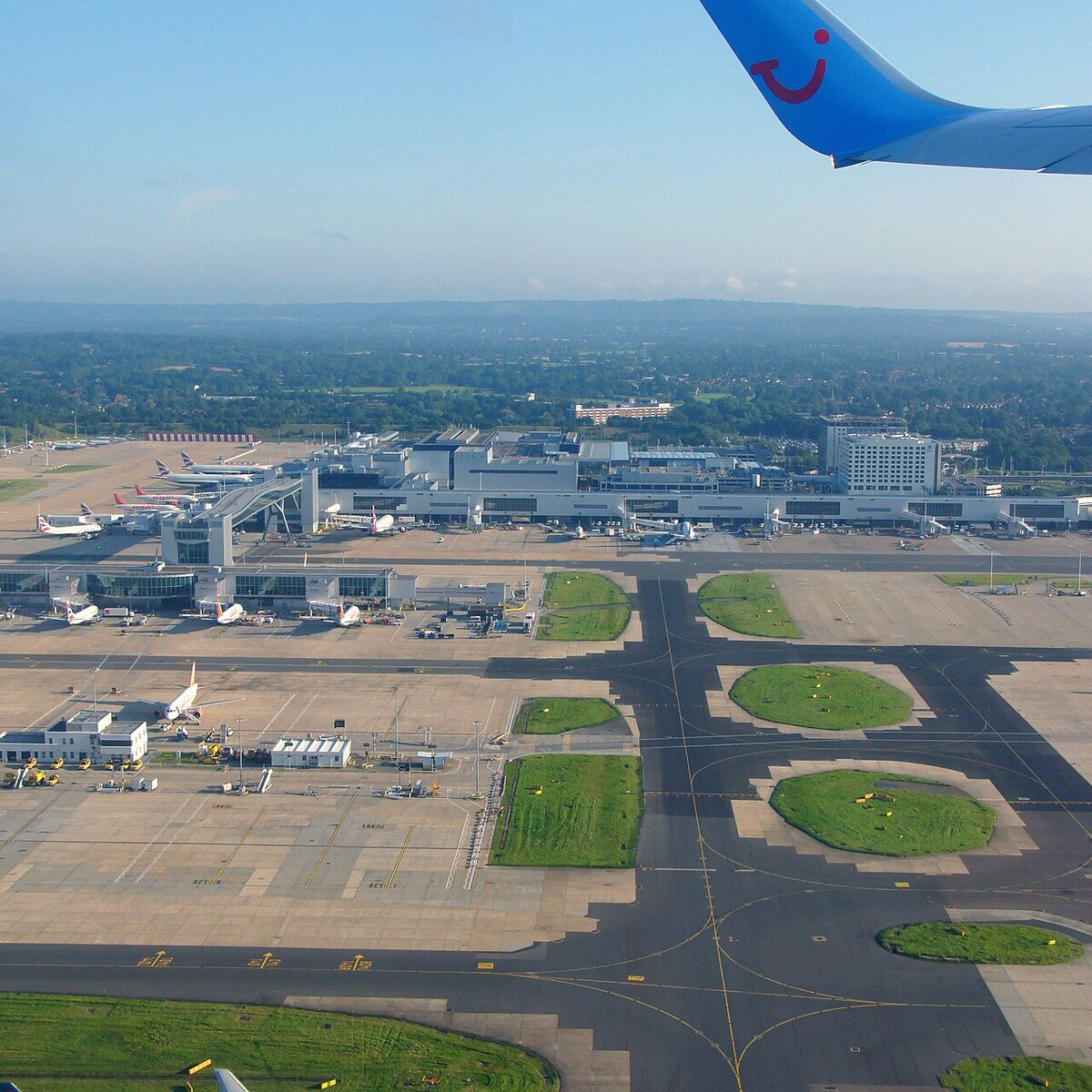
Heathrow: You Don't Have to Take the Priciest Express
First, check which terminal you're landing at: T2 and T3 share one rail/Tube station; T4 and T5 each have their own — don't mix them up. Open a map app, check which Tube or rail station is closest to your hotel, then match yourself to one of these:
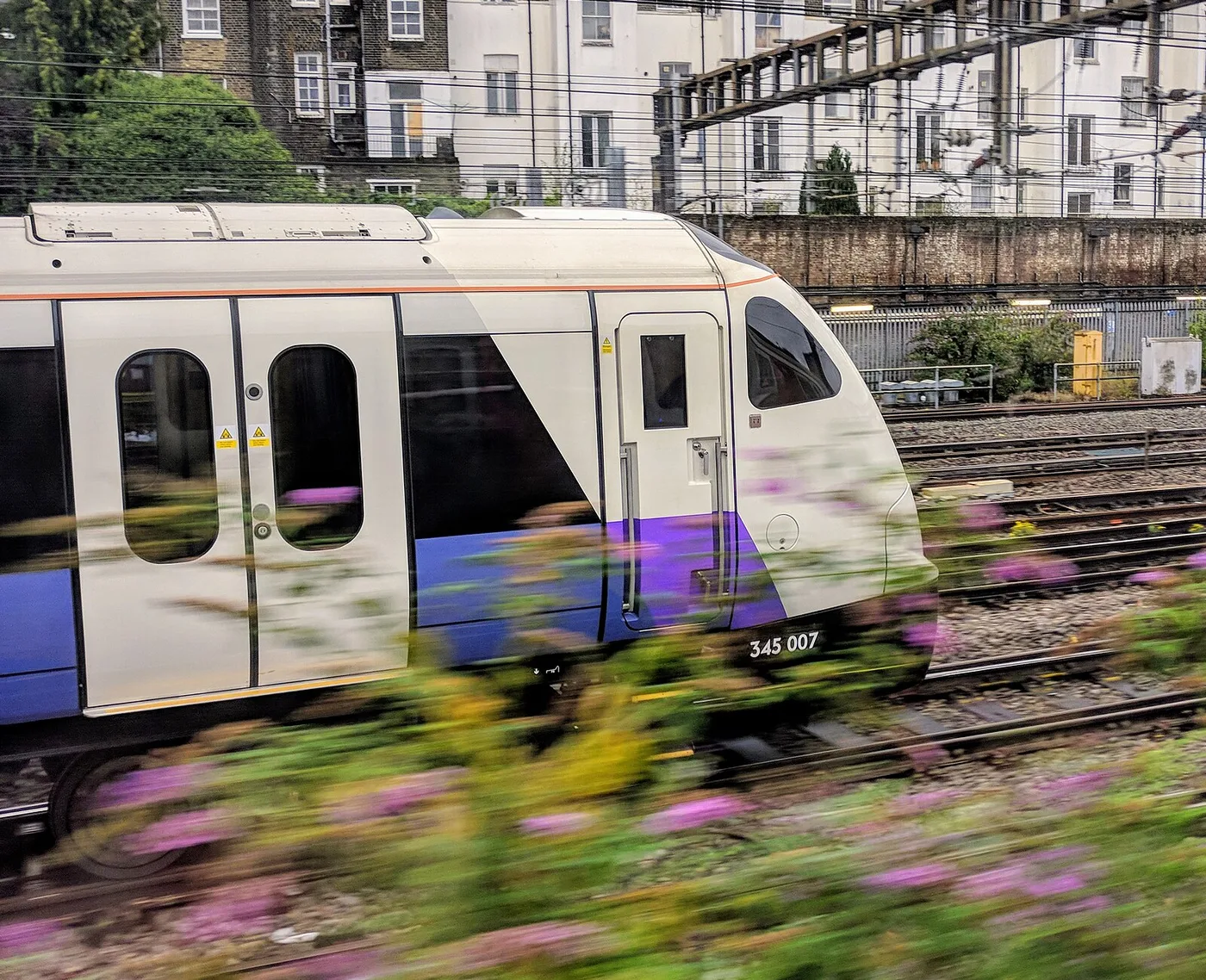
- Staying near Paddington, Bond Street, Tottenham Court Road or Farringdon, or it's your first trip and you'd rather not overthink it: take the Elizabeth line. About 28 minutes to Paddington, newer trains, more room for luggage — the best balance of speed and price. It calls at T2&3, T4 and T5, but not at the same frequency: roughly 6 trains an hour at T2&3, 4 at T4, and 2 at T5, so budget your wait time accordingly.
-
Budget matters most, you're staying near King's Cross, Russell Square or Covent Garden, or you're on a Tube line that connects straight to the Piccadilly line: take the Piccadilly line. About 50 minutes end to end — the slowest of the three, but also the cheapest, and the carriages run smaller if you're carrying a big suitcase. Staying near King's Cross, for instance, the Piccadilly line takes you there directly, no need to detour via Paddington first.
-
Staying right by Paddington, rushing to catch a GWR train onward, or happy to book ahead for a lower fare: consider the Heathrow Express. Just 15 minutes to Paddington, the fastest of the three — but if you haven't booked ahead and you're not staying near Paddington, switching to the Express to save those extra minutes often ends up saving neither time nor money, since you'll still need to change onto something else once you reach Paddington. This service doesn't count toward your daily tap cap — see the payment guide linked above for how that works; we won't repeat it here.
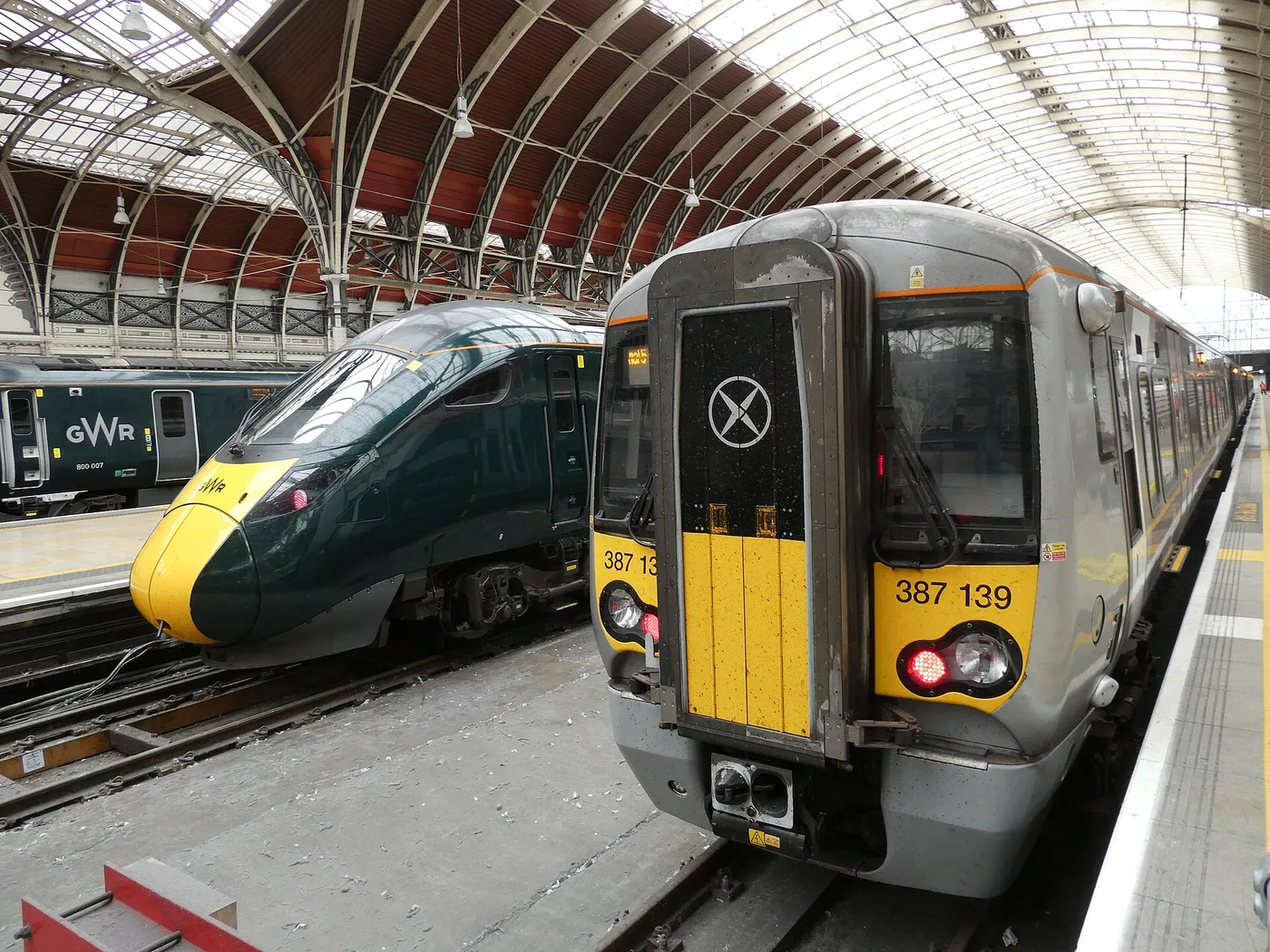
Staying near Bond Street, the Elizabeth line is the more direct choice over the Piccadilly line, with no extra change needed. One thing to know about terminals: the Heathrow Express takes 15 minutes from T2&3 to Paddington, and about 5 minutes longer from T5; there's no direct service from T4 at all — you'll need a free transfer train to T2&3 first, so don't count the "15 minutes" from T4 itself.
Landing late: the Piccadilly line runs a Night Tube on Fridays and Saturdays, but it skips Terminal 4. Any other night, check the N9 night bus instead, which runs roughly every 30 minutes from Terminal 5 and the Heathrow Central Bus Station. Don't assume any of these lines run 24 hours — check that night's last train before you land.
Gatwick: Check Whether You're Near Victoria or the Thameslink Corridor First
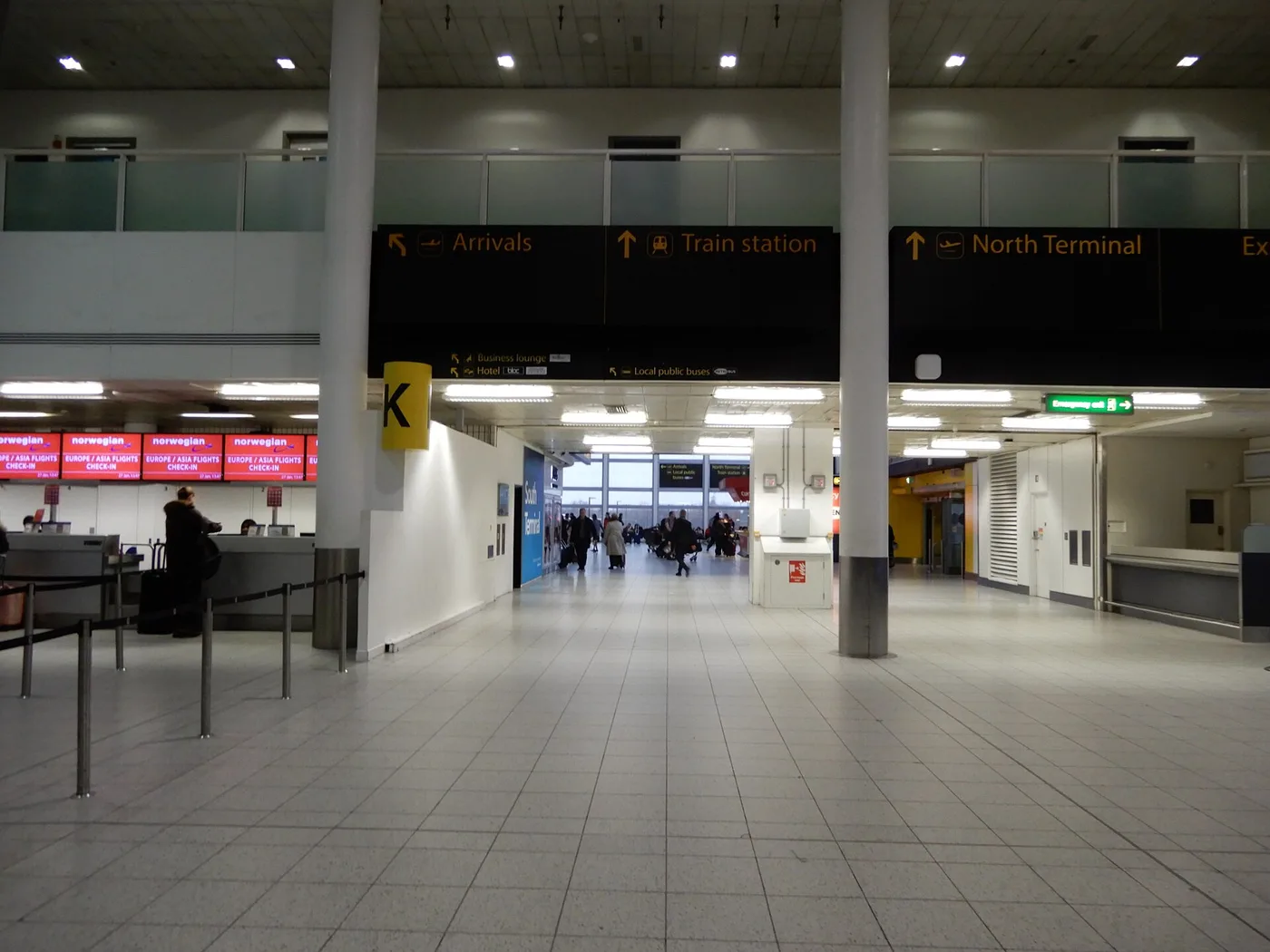
First, confirm your terminal: the railway station sits at the South Terminal, about a 5-minute walk from arrivals. If you land at the North Terminal, take the free inter-terminal shuttle (about 2 minutes) over to the South Terminal first — the station isn't at North Terminal, so don't go looking for it there.
Once you're at the station, choose based on where you're staying:
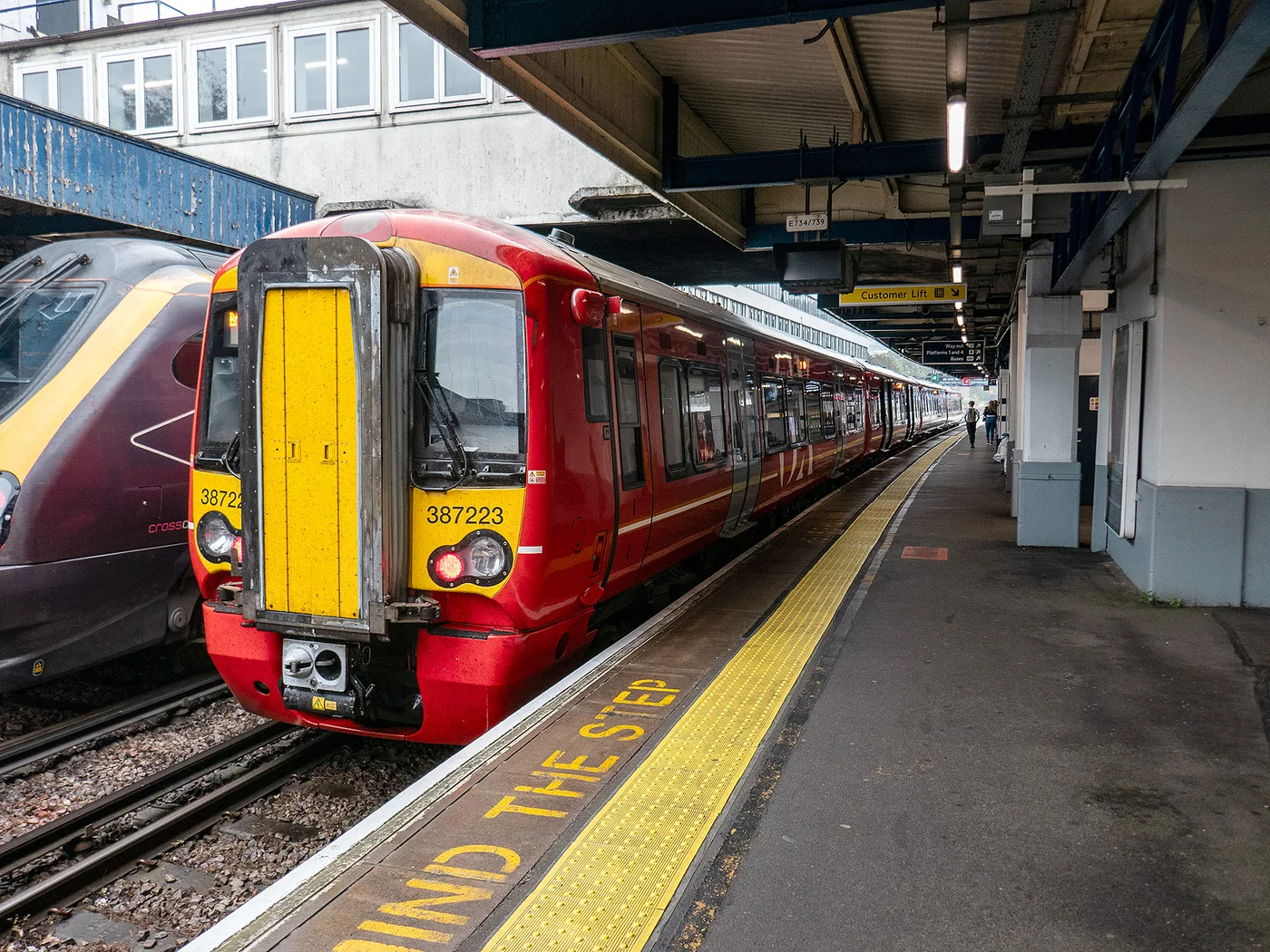
- Staying near Victoria or Westminster: you've actually got two options here, so don't assume "going to Victoria" means the expensive one. Southern is a normal rail service and cheaper; the Gatwick Express is a separate branded train, running about every 30 minutes direct to Victoria, with a 10% discount for booking ahead online and GroupSave worth checking for groups of three or more. On the platform, compare the next departure time and fare for each — a bigger brand name doesn't automatically mean it's the better choice for you.
-
Staying near London Bridge, Blackfriars, Farringdon or St Pancras: check Thameslink first. It runs direct to all of these, usually saving you a Tube change compared with going via Victoria.
-
Landing late or missing the last train: check the coach schedule from your terminal — most coach services run 24 hours. Train last-departure times vary by date, so check again on the day rather than relying on someone else's experience.
One current construction notice worth knowing: the lifts on the Thameslink platforms at St Pancras International are being refurbished from 15 June to mid-September 2026, and there's no step-free access on those platforms during that window. If you're travelling with a heavy suitcase, a wheelchair or a pushchair, don't assume "Thameslink runs direct to St Pancras" solves everything — check the accessible route for that specific day before you travel.
Quick note on tapping: heading into London, both Southern and Thameslink accept Contactless and Oyster, and so does the Gatwick Express — but that runs under its own separate airport cap, not the ordinary Zone cap you'd use around town, and the numbers are already linked above. If you're continuing on to Brighton, Reading or anywhere outside London, buy the correct ticket for that leg — don't rely on your London tapping habits.
Stansted: Easy From East London, Do the Maths From the West
From the terminal, it's about a 2-minute walk down to the railway station, with lifts, escalators and ramps — manageable even with bulky luggage.
-
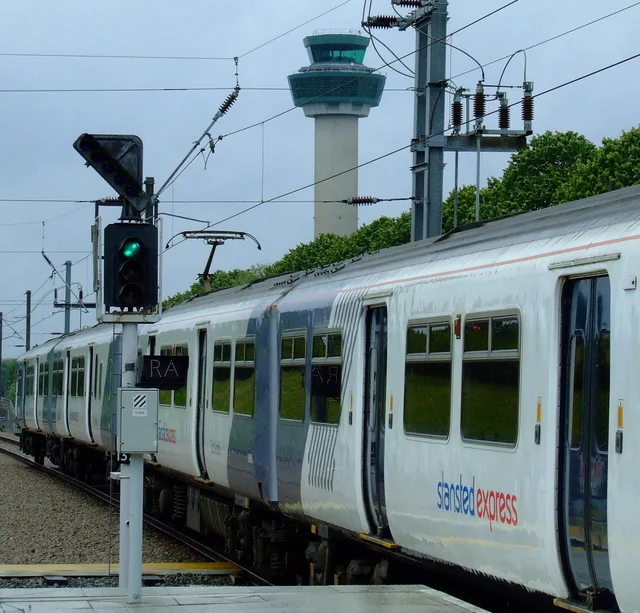
Staying near Liverpool Street or Shoreditch: take the Stansted Express direct to Liverpool Street, about 48 minutes.
-
Staying near King's Cross or Euston, or on the northern end of the Victoria line: in the daytime, get off at Tottenham Hale and change onto the Victoria line instead — about 37 minutes to Tottenham Hale, and often faster than riding all the way to Liverpool Street and doubling back.
-
Staying near Canary Wharf or Stratford: the Stansted Express calls at Stratford en route — get off there and change onto the Jubilee line or DLR rather than continuing to Liverpool Street and backtracking, even though the ride itself takes a bit longer this way (around an hour).
One tapping note: the Stansted Express accepts Contactless, including Apple Pay and Google Pay, but an Oyster card will not work at the Stansted Airport gates. That's different from Heathrow and Gatwick, so don't assume your tapping habits from the other airports carry over here.
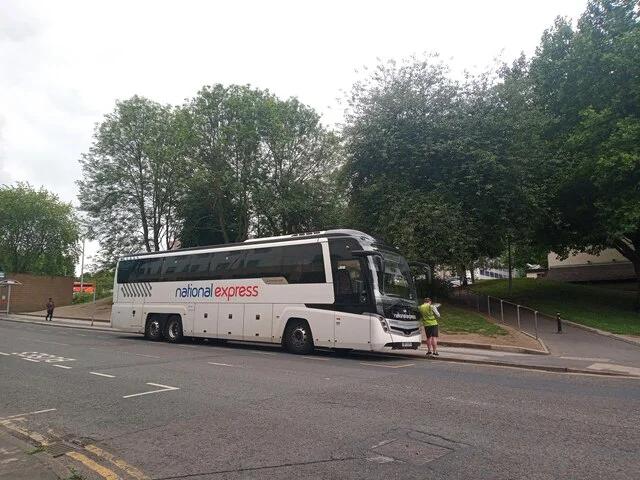
Red-eye flights and pre-dawn landings are the question people search for most about Stansted. Budget airlines love scheduling flights that land or depart in the small hours, and by then the Tube has stopped running and the Stansted Express may only run once in a long while. National Express coaches run 24 hours and cover multiple London stops — Liverpool Street, Victoria, Stratford and others. Two things to remember: first, plan around your estimated time of actually clearing the airport, not your landing time — a remote stand, passport control and baggage reclaim can easily add 30 minutes to an hour beyond touchdown; second, not every coach goes to Victoria, so check the exact stop nearest your hotel rather than boarding the first one marked "National Express." For example: staying near Victoria, you could take the Express to Tottenham Hale and change onto the Victoria line during the day — but landing at 3am, compare coach departures to Victoria Coach Station directly rather than waiting for the first Express of the morning.
Left Luggage: Don't Just Search for "Cheapest"
Here's the short version: don't shop on price alone. What actually matters with left luggage is whether the location sits on the route you're taking next, and whether it's staffed with a proper receipt system. Three types of place, and when each makes sense:
-
Storing at the airport: makes sense if you're flying out of the same airport later that day, or you have a long layover. Every London airport left-luggage counter is staffed — none of them are self-service lockers; Gatwick states explicitly that it has no self-service lockers, for security reasons. Heathrow and Gatwick price similarly: roughly £10 for 0-3 hours, £15 for 3-24 hours, £27.50 for 24-48 hours, £40 for 48-72 hours, then about £12.50 a day after that, dropping to about £10 a day after a week (check the operator's site on the day for current prices). Stansted's advantage is that it's open 24 hours, which suits anyone landing or leaving in the middle of the night who doesn't want to drag a case into town first.
-
Storing at a central London station: makes sense if you've checked out but still have plans, and you're leaving town that evening from a specific station. Pick the station based on your onward route rather than whichever is cheapest — Paddington if you're heading to or from Heathrow, Victoria or London Bridge for Gatwick, Liverpool Street for Stansted, and St Pancras or King's Cross if you're catching the Eurostar or heading north next. Most station left-luggage counters run roughly 07:00 to 23:00, though weekends and holidays can differ — call ahead or check the website before you go.

- Third-party storage platforms and shopfront partners: Xiaohongshu is full of posts about "a few pounds a day" storage that stays open late, and they collect plenty of saves — but there are also reports of people unable to retrieve their bags because of a key or locker mix-up, missing trains as a result. It's not common, but the consequences are serious enough to check first rather than walking in because a post said it was cheap. Before you hand over your bag, confirm: is this a real, verifiable business address, and what time does it actually close; is pricing per item or by size, by the hour or by "day" (and does "day" mean calendar day or a rolling 24 hours); is there insurance, and what's the payout cap; do you get a claim receipt — a ticket, QR code or luggage tag all count; and is there an extra charge for oversized bags or multi-day storage.
One habit before you drop your bag off, one after. Before handing it over: keep your passport, wallet, medication, electronics and the day's transport card on you — don't store anything valuable — and snap a quick photo of the bag's exterior and zips for your own record. When picking it up: arrive at least 30-60 minutes before closing (more if you're rushing for a train or flight), inspect the case and zips on the spot before you leave the counter, and raise any problem right there rather than discovering it after you've already left the station.
Save This Decision Checklist
Before you land, match yourself to one of these:
-
Daytime, travelling solo, one large suitcase: pick the rail line that reaches the station closest to your hotel with just one change and a lift available — Elizabeth line for most of Heathrow's catchment, whichever direct Gatwick service matches your Victoria/Thameslink split, Stansted Express if you're in east or north London.
-
Landing or leaving late at night: check that airport's coach schedule first — Gatwick's and Stansted's coach services mostly run 24 hours — rather than betting on catching the last train. Travelling as a group or in a hurry, it's also worth comparing private transfer prices.
-
Two or more people, three to four large suitcases: put the total cost of public transport, the taxi for the final stretch, and a private transfer quote side by side. A "4-seater car" doesn't automatically mean room for 4 large cases — confirm the vehicle type and weight limit before booking. Travelling with older relatives, children or a wheelchair, remember the St Pancras lift works mentioned above and check the accessible route for that specific day before you leave.
-
Checking out but leaving London later that evening: store your luggage at whichever station sits on your route out of London — don't choose based on price alone if it means going out of your way; the extra travel time usually costs more than the storage fee you saved.
Keep this formula in mind: your real cost difference = the flight price + transport into town per person + any luggage surcharge + a late-night taxi or final leg + possible storage fees — not just the number on the flight booking page. Once your luggage and transport are sorted, if you want to actually understand what you're looking at once you reach the museums, Zaizai's British Museum guided tour in Chinese or National Gallery guided tour covers the highlights in two hours — a lot less guesswork than reading labels on your own.
Fares, schedules, construction works and promotions can change. Check TfL, National Rail and the relevant airport's official site for the latest information before you travel.
Related guided tours

Zaizai
UK Museum Guide