Where to Stay in London: 10 Areas Compared, and Which Addresses to Avoid
Updated 2026-07-11 · Guide Zaizai
Two listings can both say "8 minutes from the Tube" and mean completely different things — one puts you on a lively main street the second you step outside, the other has you dragging a suitcase across a busy junction after dark. Two hotels can both sit in Zone 1, and one guest walks to every sight while another is changing trains twice a day. In London, the area name and the Zone number only answer half the question. What actually shapes your trip is your latest-finishing activity each day, which direction your airport is in, and the exact few minutes of walking between your hotel and the station. Here's how 10 of the most commonly recommended base areas stack up by itinerary, followed by what "avoid" should really mean.

Picking an area by itinerary: who it suits, the transport edge, the trade-off
Start by marking your latest-finishing activity each day and the direction of your airport on a map, then look for an area with "one direct line plus an 8-minute walk." The area's name, Zone number, and room rate should all come after that.
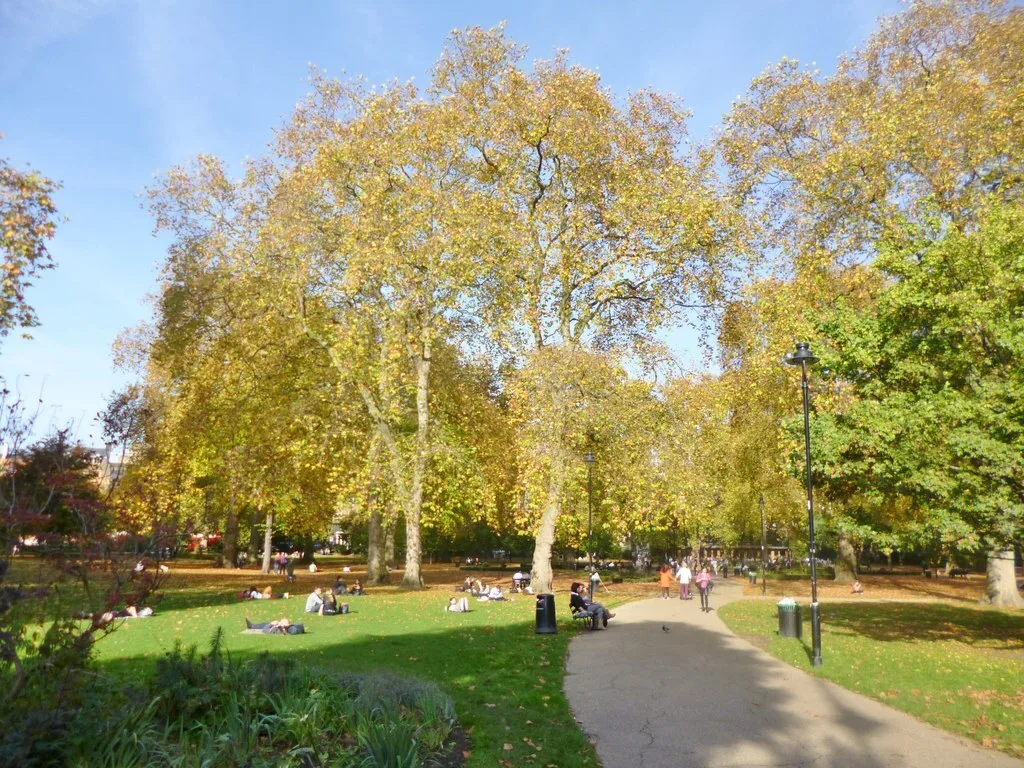
- Bloomsbury / Russell Square (Piccadilly line): the British Museum and a whole stretch of bookshops and cafés are within walking distance — good for first-time visitors who want to sightsee mostly on foot. The trade-off: only one Tube line serves the area, and quite a few hotels are older, so check recent reviews for air conditioning and lifts before booking.
- South Kensington (Circle / District / Piccadilly line): the V&A, the Natural History Museum and the Science Museum are all walkable, and the Piccadilly line runs direct to Heathrow in around 50 minutes — good for families, big luggage, or a museum-heavy trip. The trade-off: room rates here tend to run highest among these areas, and rooms can be tight in peak season.
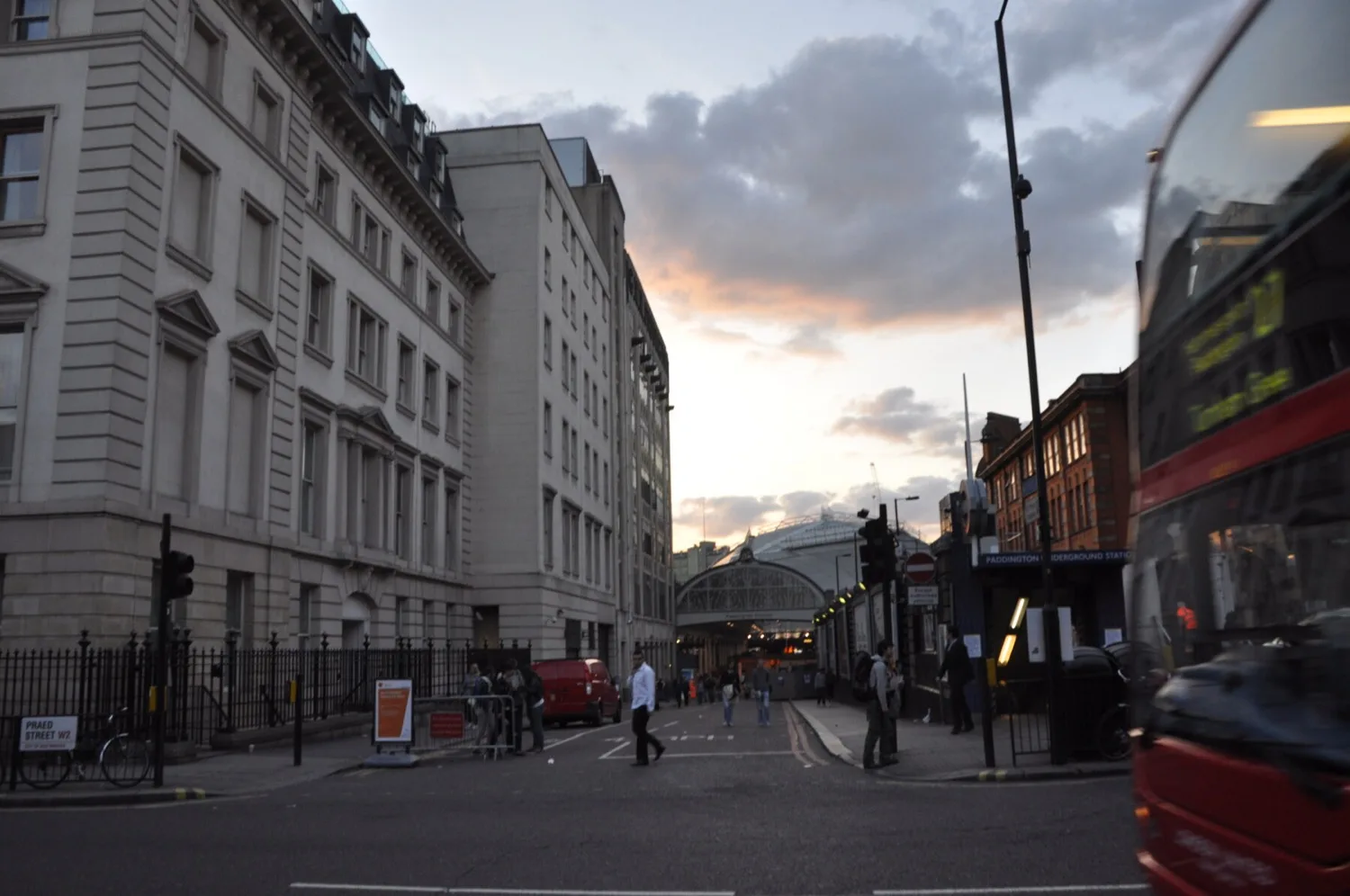
- Paddington (Bakerloo / Circle / District / Elizabeth line): one of the strongest airport-connected areas — the Heathrow Express runs direct, and the Elizabeth line typically runs every 15 minutes to Terminals 2, 3 and 4, and about every 30 minutes to Terminal 5. Trains from here also go straight to Oxford, so a day trip doesn't need an extra cross-town transfer (see our London-to-Oxford transport guide). The trade-off: the area itself feels more business-district than scenic, and it's not the strongest base for an East London-heavy itinerary.
- Around Westminster (Circle / District / Jubilee line): Big Ben, Parliament, and Trafalgar Square — home to the National Gallery — are practically on your doorstep, good for anyone prioritising walkable landmarks over budget. The trade-off: both room rates and street noise tend to be among the highest here, and rooms are commonly small.
- Covent Garden (Piccadilly line): the West End theatre district and shopping streets are walkable, so a late show or a night out still ends in a walk back rather than a Tube ride. The trade-off: hotels cluster on a single Tube line, so street noise varies hotel by hotel — check recent reviews individually.
- King's Cross & St Pancras (Circle / Hammersmith & City / Metropolitan / Northern / Piccadilly / Victoria, plus multiple National Rail lines): the strongest interchange in London — Eurostar and several National Rail lines depart from here, and it's also the usual starting point for a Cambridge day trip (see our London-to-Cambridge transport guide). The trade-off: the area around the station gets crowded, so confirm which exit and which street your hotel is actually on before booking.
- Canary Wharf (Jubilee line / Elizabeth line / DLR): strong on both east-west links and the airport axis, with plenty of newer hotels — weekend rates are sometimes better value than weekdays. Good if your itinerary is concentrated in East London or you're at a conference. The trade-off: it has a distinctly business-district feel, and you'll need to factor commute time into each day if you're also doing West End sightseeing.
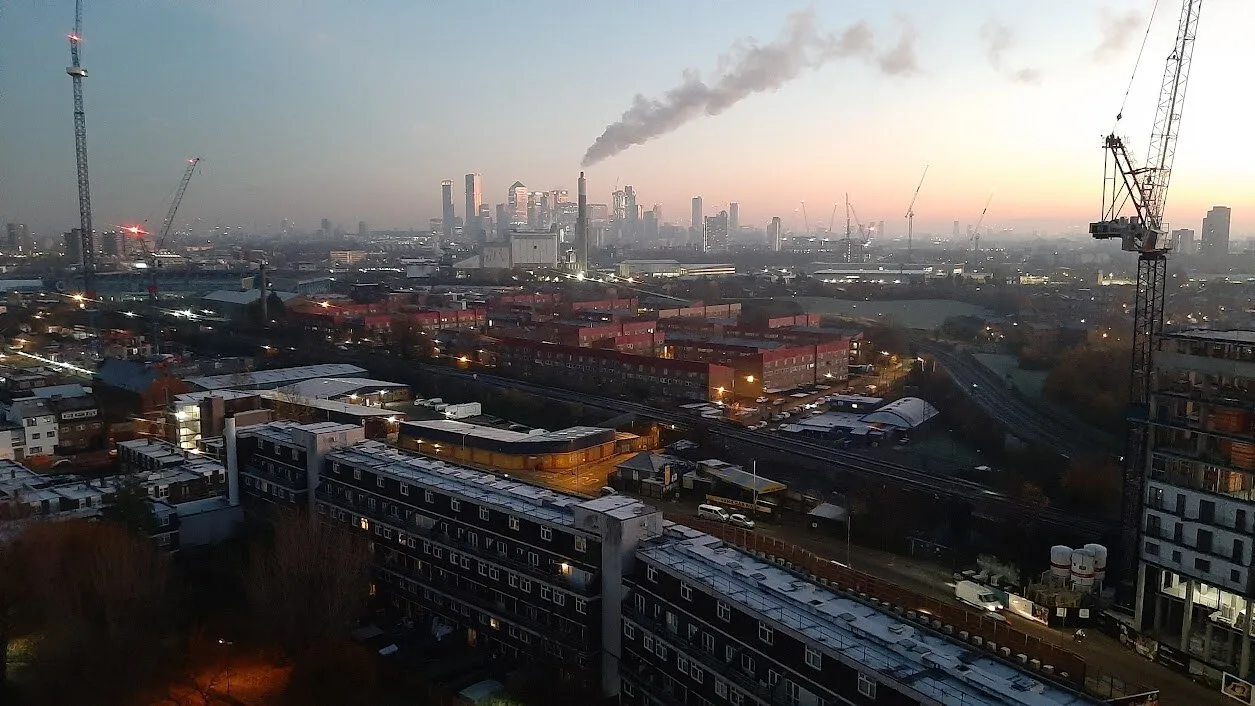
- Stratford (Central / Jubilee / Elizabeth line / DLR / Overground, plus National Rail): one of the best-connected areas for interchanges, with more shopping and budget-friendly options. The trade-off: you'll still be commuting to the traditional central sights every day, which can feel like wasted time if your schedule is already tight.
- Whitechapel (District / Hammersmith & City / Elizabeth line): the Elizabeth line has made both Heathrow and east-west journeys noticeably easier, and prices typically run below central London. The trade-off: the feel of the area varies a lot block by block — judge it by the specific street your hotel is on, not by the name "Whitechapel" itself.
- Elephant & Castle (Bakerloo / Northern / Thameslink / Southeastern): a reasonably balanced base between the South Bank and central London, with a price advantage too. The trade-off: the core area sits right on a major junction, so check each hotel individually for its entrance, street crossings, and construction noise.
Whether staying central or further out saves you money isn't just about the nightly rate gap — it's worth a rough calculation:
Real savings = (nightly rate difference × nights) − extra transport costs − late-night taxi costs − the time cost of extra daily commuting
If staying further out costs each person an extra 45 minutes a day in transit, the real cost for a family of four is usually much higher than for two people travelling independently. But if your itinerary is already concentrated in East London, Canary Wharf or Stratford might actually cut your total commute time — in that case, staying "further out" isn't a compromise, it's the better option.
Getting in from other airports, and whether the Tube runs late enough
Heathrow is the default for most visitors, and the relevant routes are already covered under the areas above. If you're arriving through a different airport, or worried about getting back late on a particular day, these two things are worth working out before you book.
- Gatwick: pick an area around the arrival stations on Thameslink / Victoria / Southern — check the current timetable and any engineering works on National Rail the day you travel.
- Stansted: the connection runs mainly through Liverpool Street / Stratford — don't let "East London is cheaper" make you forget the last leg you'll need for an early return flight.
- Luton: the Luton Airport Express or Thameslink gets you to St Pancras, Farringdon, and similar stations first — then plan the final leg from there to your hotel.
- London City: the DLR / Elizabeth line axis is usually the smoothest fit, which naturally pairs with Canary Wharf, Whitechapel, or Stratford.
Outside of Heathrow, all of the above are route logic, not fixed schedules — check current times and fares on TfL or National Rail before you travel.
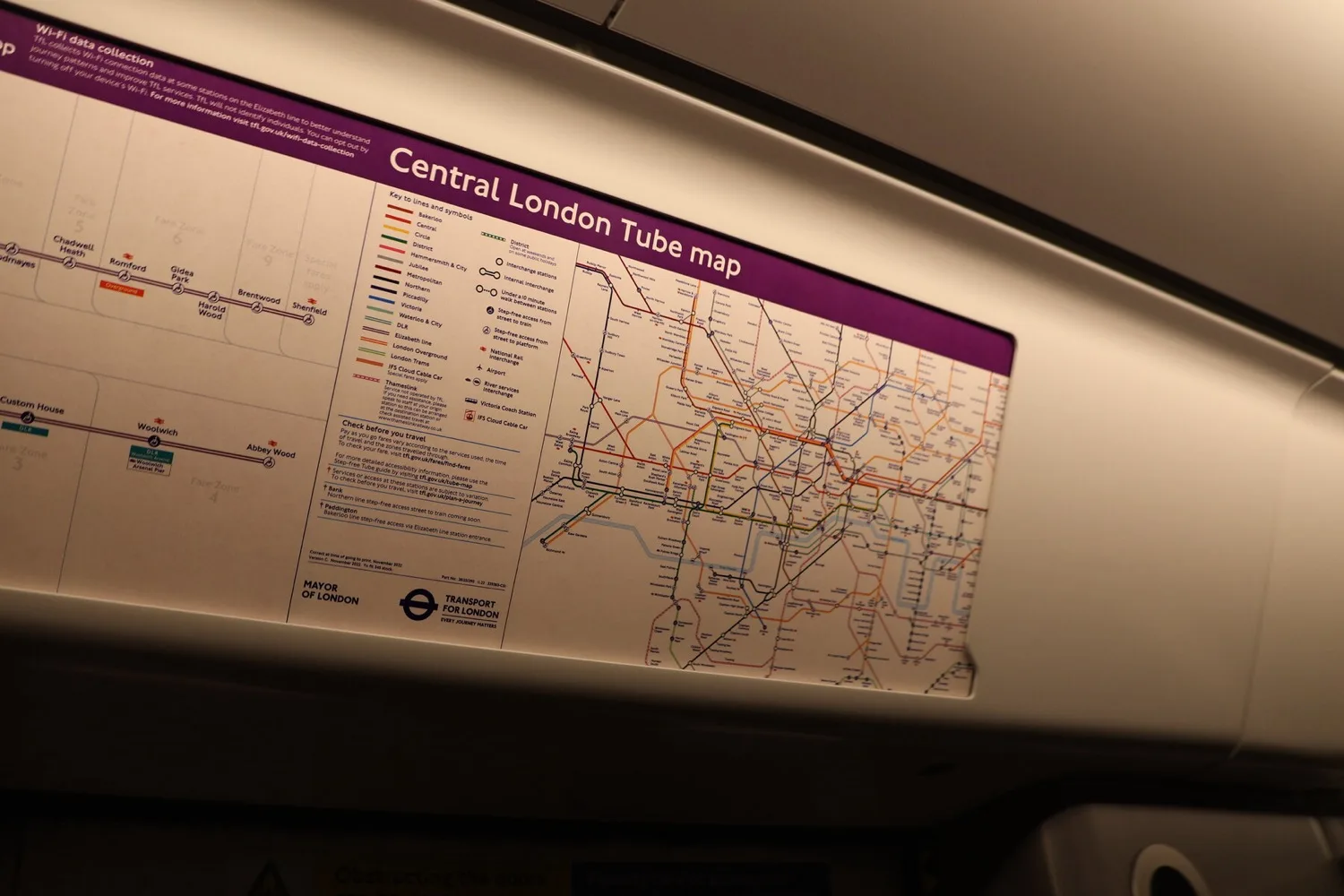
If one day of your trip ends late: the Night Tube currently runs Friday and Saturday nights only, covering the Central, Jubilee, Northern, Piccadilly and Victoria lines at off-peak fares — but that doesn't mean every branch runs all night, every week. Check for planned engineering works or closures before you go.
What to avoid isn't a neighbourhood — it's an address like this
What genuinely deserves caution isn't the whole of Whitechapel, Elephant & Castle, or King's Cross — plenty of visitors stay in all three without incident every day. What's worth watching for is a specific address that combines several of the following, regardless of which area it's in:
- A price noticeably below the going rate for the area, combined with very few reviews or a recent cluster of bad ones, and a non-refundable rate — when all three line up together, the discount usually comes with a catch.
- More than 10-15 minutes from the station, on a route that feels quiet or poorly lit late at night, off the main street and away from bus stops.
- Two or more changes needed to reach your main daily destinations — the luggage and fatigue cost of this adds up fast over several days.
- An old building with no lift, a basement room, or "air conditioning" that turns out to be a fan — with no real cooling in peak season, this can derail the whole stay.
- Right next to a railway line, a main road, a pub or nightclub, or a construction site — hard to tell from photos alone, so search "hotel name + noise / construction" before booking.
- An early flight booked into an area that sits in the opposite direction from your airport's transport corridor — effectively handing back whatever you saved on the room in taxi fares.
- A short-let address, check-in process, or operating entity that's vague on the booking page — legitimate hotels and legitimate short-let operators usually spell all of this out clearly.
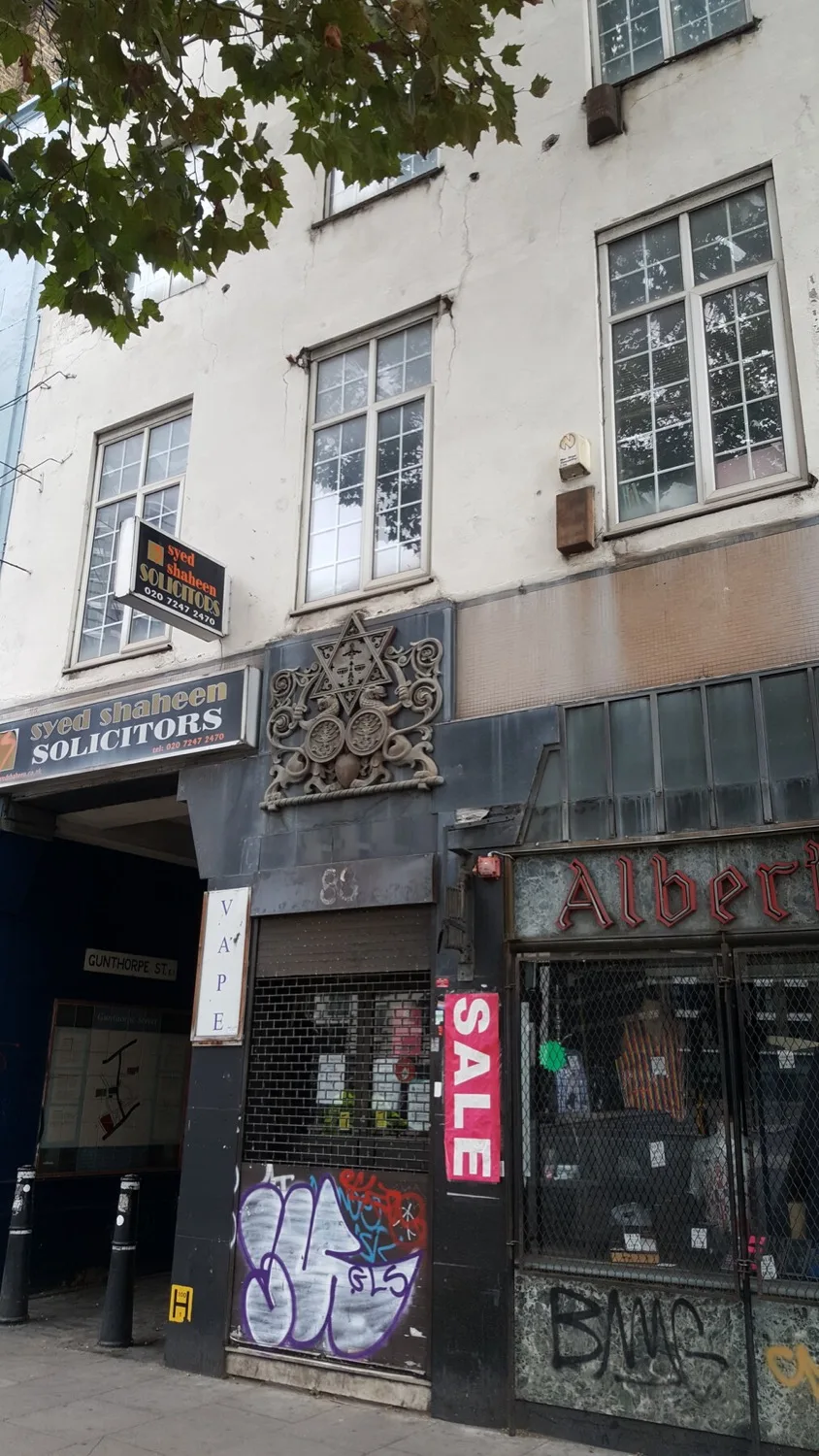
Under the same area name, one block can look very different from the next — judge it by the specific route and address, not the area label. If you still want to look at data, only compare figures from the same time period and methodology, ideally around a hotel's specific coordinates on the Police.uk data tool — don't take a whole borough's case count as a verdict, since land area, resident population, and night-time footfall all skew that number. Recent guest reviews and what the hotel's front desk tells you are usually more useful than a broad-brush safety ranking.
What to check before you book
Turning the above into something you can actually act on, run through this list before booking:
- How many minutes it actually takes to walk from the exit you'll realistically use to the hotel — check this on a map yourself rather than trusting the listing's "X metres from the Tube." Also check whether the entrance sits on the main road, down a side street, or on the far side of a busy junction.
- Whether the walk back after 10:30pm stays on a street that's still open for business — check street view for lighting, crossings, and any construction hoarding.
- Whether you'll need to change lines, and whether the platforms and lifts at that interchange work for large luggage or a pushchair.
- Whether there's still a direct service back after your latest activity ends that day, and whether it falls within Night Tube coverage — and check for planned engineering works that week while you're at it.
- Whether the room has genuine independent air conditioning — "air cooling" or a "portable fan" doesn't count — and whether the lift reaches every floor the room types are on.
- Whether the room faces a railway line, a main road, a pub, or a loading area.
- Whether a "family room" actually has two real beds rather than a sofa bed, and whether there's enough floor space to open your luggage.
- Whether the final price includes tax, breakfast, deposit, early check-in and luggage storage fees — and whether the cancellation policy runs on London time or your departure city's time.
- A skim through the last 3-6 months of reviews, watching specifically for noise, hot water, air conditioning, lifts, cleanliness, and deposit refunds.
The best place to stay in London was never "the most expensive central postcode" — it's the direct line defined by your latest daily activity and your airport direction, paired with a specific address that has a clear entrance and a route home you're comfortable with late at night. Pick the area by itinerary first, then verify the actual hotel against this list — reversing that order is how people end up disappointed. Once your base is settled, don't let your museum time turn into a rushed walkthrough — the British Museum guided tour and National Gallery guided tour both compress the highlights into two to three hours, leaving more room for whatever the evening holds.
Room rates, cancellation terms, and local safety conditions change — check the booking platform and official sources for the latest details before you travel.
Related guided tours

Zaizai
UK Museum Guide