British Museum Visit Guide: Booking, Which Entrance, and a 3-Hour Route
Updated 2026-07-07 · Guide Zaizai
The most time you'll lose at the British Museum isn't in the galleries — it's at the door. You've probably heard "skip the queue through the back entrance", and just as likely seen someone say "never use the back entrance." Both can be true at once — it depends on whether you've booked, whether you're carrying a bag, what time you arrive, and how the entrances are being run that day. This covers just that: booking, which entrance to pick, security and bags, and a 3-hour route.
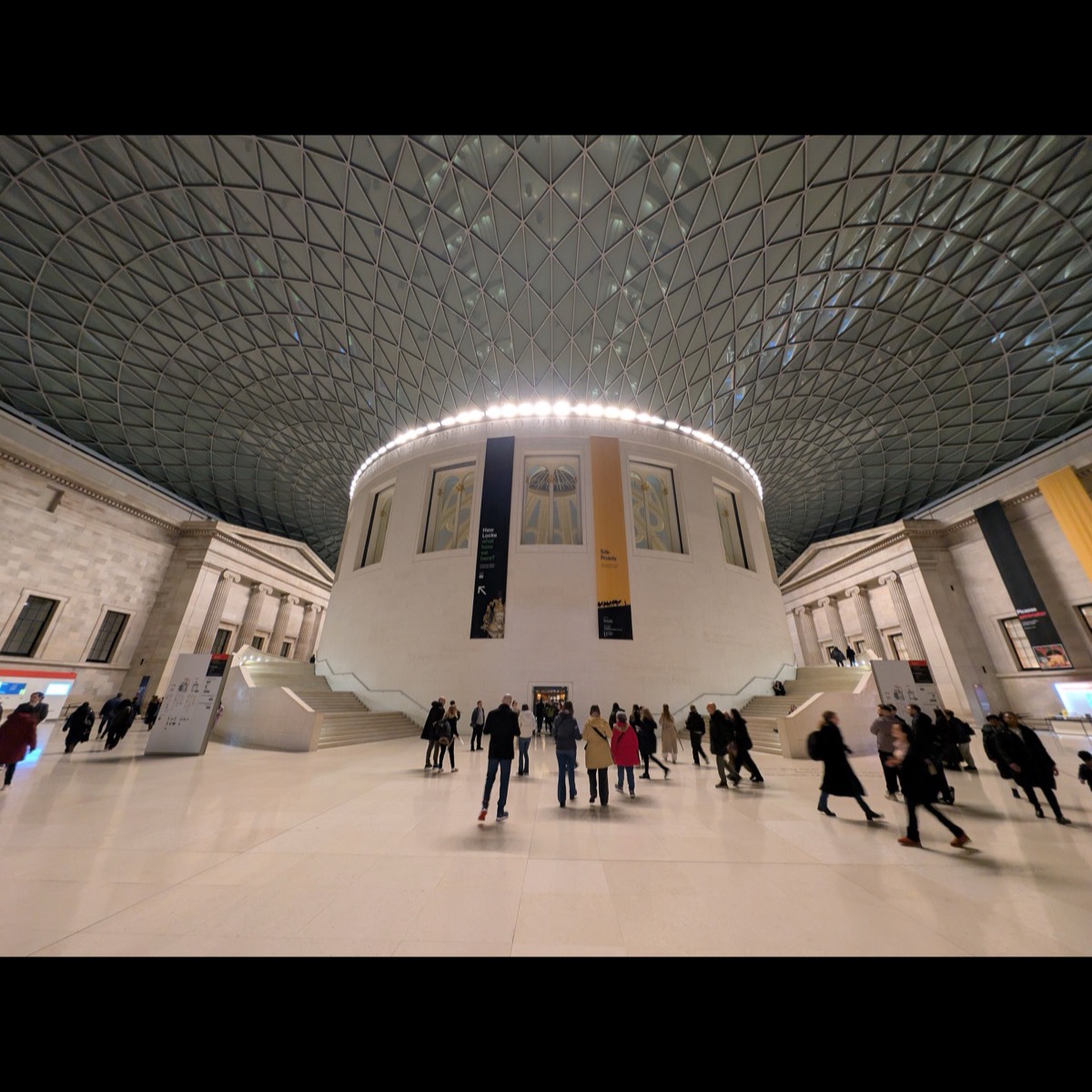
Booking: free, but book ahead
- The permanent collection is free, but the museum recommends booking a general admission ticket in advance, choosing a time slot, and keeping the QR code handy — a booking gets you priority entry during busy periods.
- You can still get in without booking, but it depends on the day's capacity; expect a walk-up queue at busy times, so it's not worth counting on.
- If you see a donation option at checkout, it's optional, not a mandatory charge.
- You're asked to arrive within your booked time slot — not too early, not too late — which keeps the security queue shorter for everyone.
- If you want to see the Admonitions Scroll, you need a separate timed ticket — booking general admission alone doesn't cover it. More on that below.
Which entrance: check the queue on the day, don't just trust a guide
The museum has two official entrances: the main entrance on Great Russell Street, and the second entrance on Montague Place (the "back door").
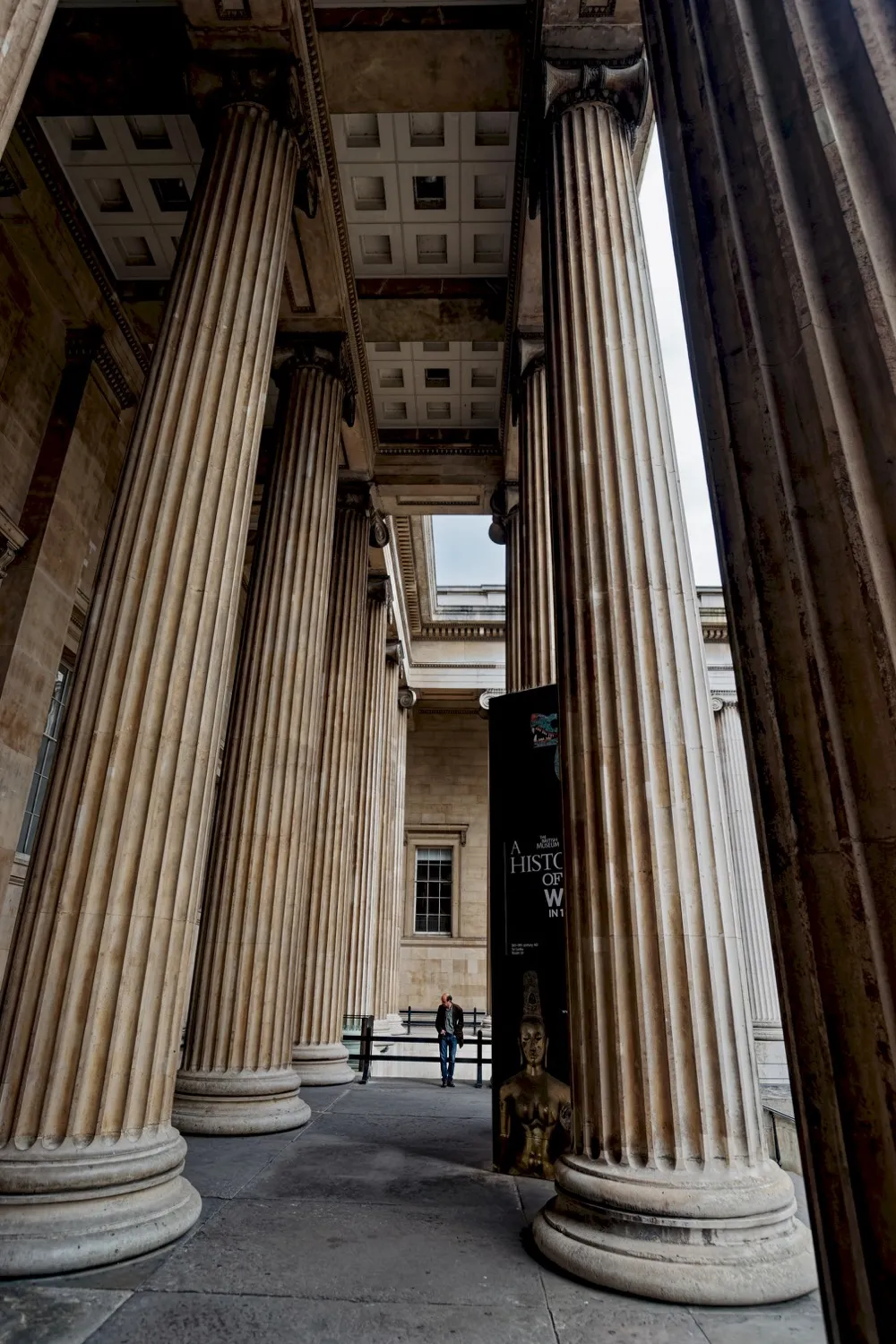
The back entrance isn't a hidden shortcut — it's always been an official entrance, just one fewer people thought to use first. The catch: after two years of "bag-free through the back door" content circulating on Chinese social media, the morning queue there can now be full of people who read the same tip — it's not reliably faster than the front.
A practical way to decide:
- Booked, and travelling light: check the main entrance queue first — the museum's own guidance leans toward arriving through the main entrance within your slot.
- Groups of 10 or more: must use Montague Place, and must book as a group in advance — the main entrance won't take you.
- Not sure either way: look at both queues when you arrive and take whichever is shorter or closer — don't detour just to say you used the back door.
- Entrances can be temporarily reconfigured for security or operational reasons — a guide can save you a wrong turn, but it can't override what security tells you on the day.
Security and bags: everyone gets checked
The rule is simple: every visitor goes through security and a bag check before entering. Travelling light just tends to be faster in practice — it doesn't mean no check.
- Fastest: no bag at all — phone, cards, tissues, earphones in your pockets.
- Fine: a small cross-body or handbag, though it may still get a closer look.
- Not recommended: a large backpack, camera gear, a long umbrella.
- Not allowed in: bags or luggage over 40×40×50cm or 8kg, and wheeled suitcases (folding pushchairs and mobility aids are exempt).
- Selfie sticks aren't allowed inside the galleries — leave it at the hotel.
- The cloakroom is a paid service with limited space, and can stop taking items when it's busy — for anything large, sort it out at your hotel or a proper left-luggage point beforehand rather than counting on the cloakroom.
The 3-hour route: know what to skip
The British Museum doesn't reward wandering. The most common mistake in a 3-hour visit is popping into every gallery along the way and running out of time before the pieces you actually came for. The museum's own Three Hours at the Museum trail is thorough but long — here's a tighter version by room number that avoids backtracking:
- The Great Court: your first stop after security — check the map, the toilets, and whether any galleries are closed that day.
- Room 4: the Rosetta Stone and the colossal bust of Ramesses II — the two busiest objects in the museum, best seen early.
- Room 10 → Room 18: the Assyrian lion hunt reliefs, then the Parthenon sculptures — don't linger too long in the smaller rooms in between.
- Room 24: Hoa Hakananai'a, the Easter Island statue; a good spot to double back to the Great Court for water and a break if you're with kids or older relatives.
- Pick one: Rooms 62–63 for the Egyptian mummies (the classic first-timer and family pick), or Rooms 55–56 for Mesopotamia if you prefer the historical narrative.
- Room 33: China and South Asia, to finish.
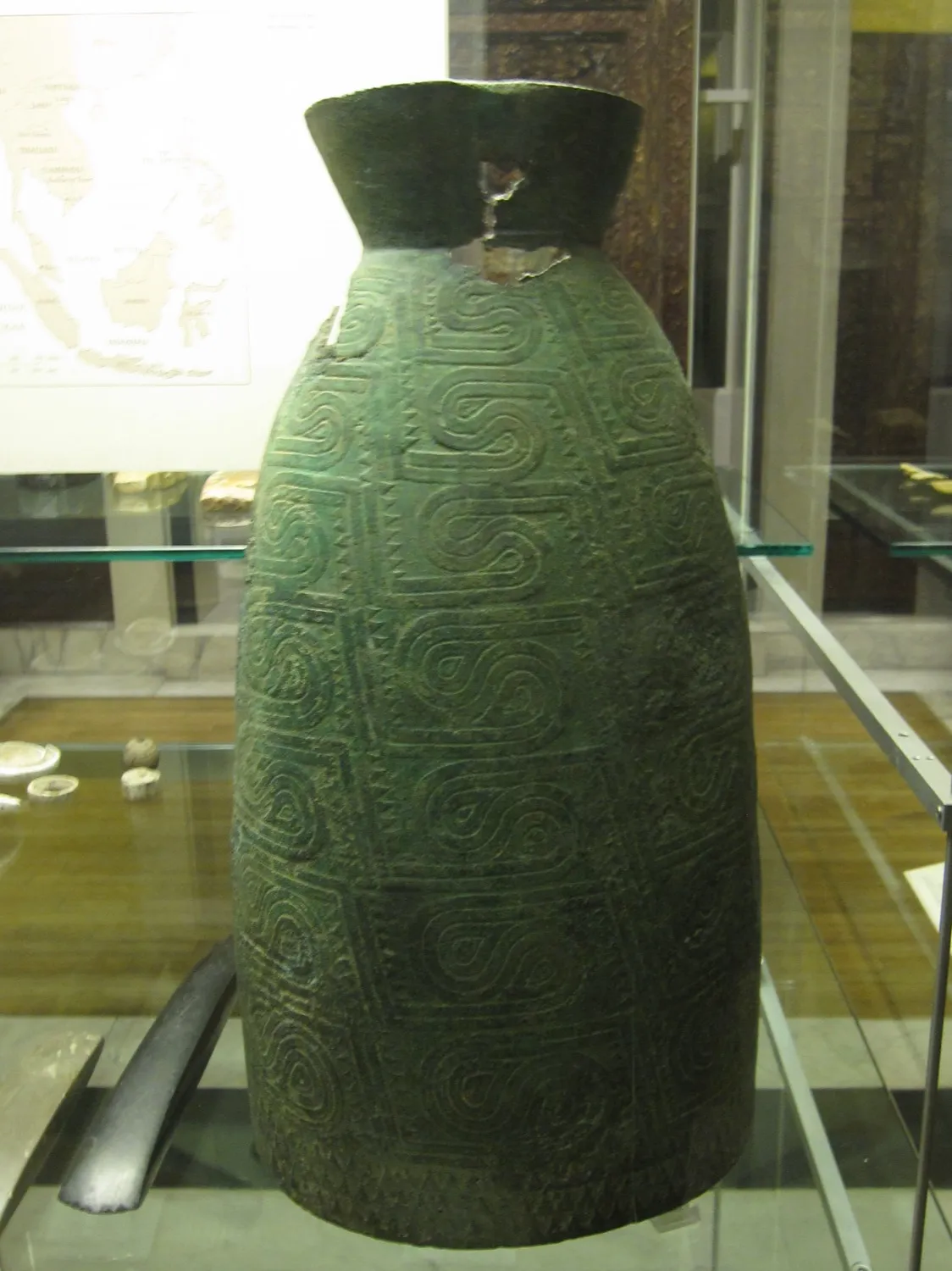
If your hotel is north of Russell Square or Bloomsbury and you're entering via Montague Place, you can run this in reverse: start at Room 33 upstairs, then head down to the Great Court and work through Rooms 4, 10, 18 and 24.
If you're here for the Admonitions Scroll
Gu Kaizhi's Admonitions Scroll goes on display from 13 July to 24 August 2026, and it's worth planning separately from the route above:
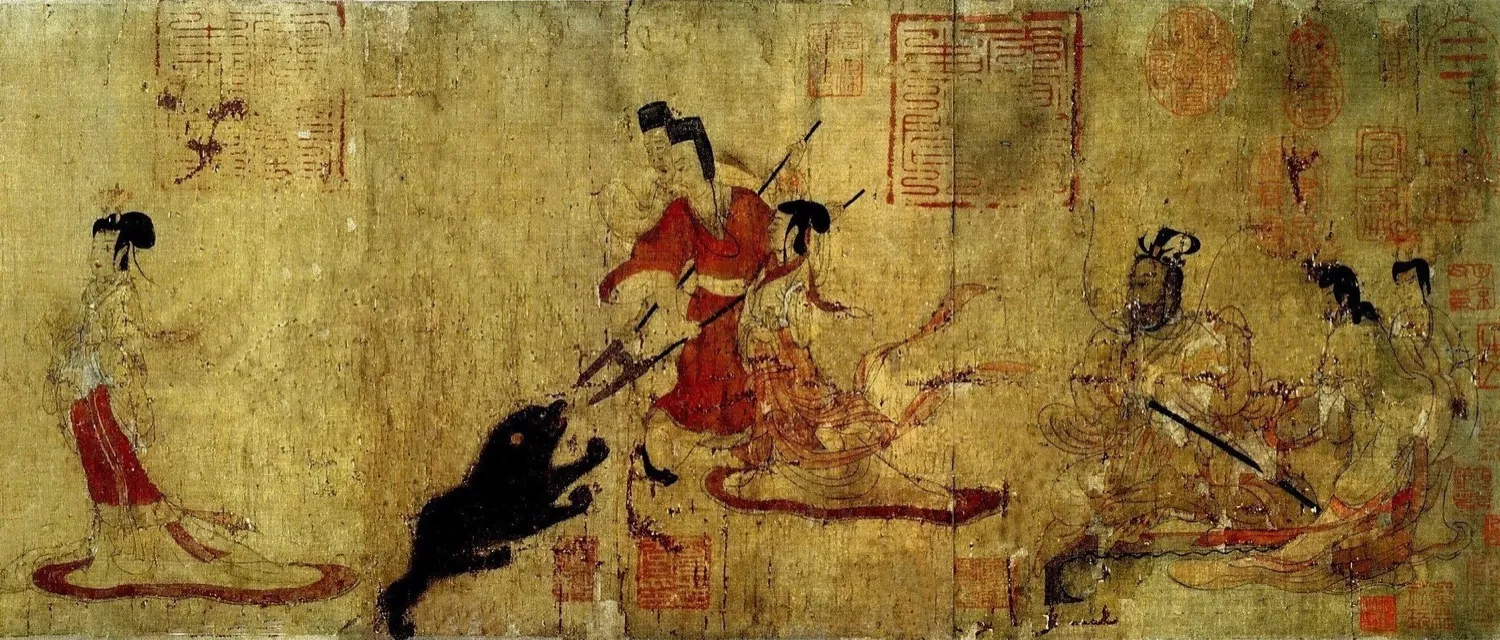
- It's shown in Room 91a, entered via Room 90 — free, but it needs its own timed ticket.
- Tickets are released weekly: each Monday, the following week's slots go live, with a maximum of 6 tickets per group.
- Head to Room 91 right around your slot time — don't queue early.
- The gallery closes at 17:00 on Fridays and isn't part of the Friday late opening, so skip a Friday evening visit if this is what you're here for.
- Outside the display dates, Room 33 has a permanent high-resolution digital screen showing the full scroll, just as legible.
For the booking details and how to see it any day of the year, see the dedicated Admonitions Scroll guide.
Once booking, entrance and security are sorted, the time you've got left can actually go to the objects. If you want to get more out of those three hours, Zaizai's British Museum guided tour in Chinese walks you through the stories behind the Rosetta Stone, the Parthenon sculptures and the rest of the highlights — far less work than piecing it together from the gallery labels yourself.
Related guided tours

Zaizai
UK Museum Guide