UK Student Arrival Guide 2026: Renting, Registering with a GP, and Your First Supermarket Run
Updated 2026-08-02 · Guide Zaizai
What actually derails new students usually isn't struggling with lectures — it's landing and discovering the room already has a stain on the wall, you're not registered with a GP, the supermarket charges you for a bag, and you have no idea which bin is which. This guide walks through the things most likely to trip up a first-time arrival, using England's rules as the default — anywhere Scotland, Wales or Northern Ireland differs, it's flagged in that section. Treat it as a checklist and work through it in order; it'll save you a fair amount of wasted money.

Renting: money, contract, and evidence
The thing that costs new renters in the UK usually isn't losing out on a room — it's not having a checklist. Work it in three stages: before you pay, when you sign, and after you move in.
Before you pay, check these:
- The property's actual address — can you verify it, and can you view it in person or over video call?
- The landlord's or agency's company name and contact details — can you verify them independently, rather than just taking the agent's word for it?
- Who you're actually contracting with: the landlord directly, a registered letting agent, or someone subletting.
- If it's a sublet: you need to see the original tenancy agreement and the landlord's written consent. Without both, it doesn't count.
When you sign, keep these payments straight:
- Holding deposit: capped at 1 week's rent in England.
- Tenancy deposit: capped at 5 weeks' rent if the annual rent is under £50,000, or 6 weeks if it's £50,000 or more. It must go into a government-approved tenancy deposit protection scheme — not straight into the landlord's personal account.
- Rent in advance: before you sign, the landlord or agent can't require you to pay rent upfront. After signing but before the tenancy officially starts, if you're paying monthly, you can typically be asked for at most one extra month's rent during that gap.
- All of the above applies to England. Scotland, Wales and Northern Ireland have different deposit and payment rules — don't assume they're the same.
- Get specifics on "bills included": exactly what's covered, whether there's a fair usage cap, how any excess is split, and who you contact if the heating or internet breaks.
- Renting in England also requires proving your right to rent to the landlord (an online share code or valid visa documents). Scotland, Wales and Northern Ireland don't require this.
After you move in, keep evidence:
- On move-in day, photograph everything: all four walls, the floor, furniture, kitchen and bathroom, and the electricity and gas meter readings — including any damage that's already there.
- Check what you find against the landlord's inventory, and within 24–48 hours, email the landlord or agent in writing about anything damaged that isn't listed. Don't just mention it verbally.
- Note down where the bins are, collection day, how the laundry room is paid for, and who to contact for repairs.
If you see any of these, stop and don't pay:
- Pressure to transfer money today "or the room's gone tomorrow."
- No viewing allowed, and no video walkthrough offered either.
- They'll only take cash or a personal account, and won't provide a contract.
- They claim it's a sublet but can't produce the original tenancy agreement or the landlord's written consent.

GP: register before you're sick, not after
The first thing to sort out in the UK isn't sightseeing — it's registering with a GP (a local doctor's practice). Registration checks and getting an appointment both take time, so waiting until you have a fever just makes things harder.
Registering is four steps:
- Search for a GP surgery near your address on the NHS website, using your postcode.
- Pick one that explicitly says it's accepting new patients.
- Fill in the online registration form — it takes about 15 minutes. You can also ask the surgery for a paper form.
- After you submit, the surgery usually confirms within about 5 days whether you're registered, though it can take longer. Don't assume you're registered the moment you hit submit.
No NHS number, no ID, no proof of address? That's fine. The NHS website is explicit that registration only needs basic details — name, date of birth, address. You don't need an NHS number beforehand, and ID or proof of address aren't required. That said, an individual surgery may still ask for a bit more, so go with whatever the specific practice requests.
Once you're registered: save the confirmation email or patient number, and check whether that surgery books appointments by phone, online, or through the NHS App — it varies practice to practice.
When something's wrong, here's how to sort where to go:
- Ongoing prescriptions, follow-ups, specialist referrals → your registered GP surgery.
- Minor ailments, questions about over-the-counter medicine → a Pharmacy first. Pharmacists can advise you directly, no appointment needed.
- Not sure if you need to go to hospital, but it's not life-threatening → call 111 or use 111.nhs.uk. Note: 111 online only covers England — in Scotland, Wales or Northern Ireland, use the local NHS entry point instead.
- Life-threatening, needs immediate emergency care → call 999 or go straight to A&E.
Two more things worth doing now: note down the English generic names for any medication you take regularly and any allergies — a prescription from home can't just be used in the UK. Save the GP's phone number, your nearest pharmacy, and 111 to your phone.
Supermarkets: what to buy first, and where
Your first supermarket trip is the easiest way to waste money — not by overpaying, but by buying a pile of things you don't actually need yet.
These are the essentials — get them on day one: drinking water or a reusable bottle, milk or a plant-based alternative, bread or oats, eggs, frozen vegetables or dumplings, rice or pasta, salt and oil, washing-up liquid, bin bags, toilet paper, laundry detergent, plus any personal medication, toiletries, and an umbrella.
Don't stock up on these yet: bulk bottled water, pots and pans, a duvet, large bottles of cleaning products — check what your accommodation already has and how close the nearest shop is first. Hold off on anything that's just "trending online" too; buy a small size, try it, and only restock if you actually like it.
Choosing a supermarket comes down to a few factors, not a ranking:
- How close it is, how often you'll go, whether you need specific Asian ingredients, and whether you're fine with a smaller shop occasionally being out of stock.
- Tesco and Sainsbury's: more branches, wider range, and more visible loyalty prices and meal deals — good for a single big shop.
- Lidl and Aldi: own-brand basics are usually good value, but stores are smaller and stock can be inconsistent — good for staples and everyday items, and worth stocking up when something's on offer.
- Asian supermarkets: the best range for seasonings, rice, noodles and hotpot ingredients, usually at a premium over UK supermarkets — use them for what you genuinely can't find elsewhere.

A few ways to save:
- Download the loyalty apps (Tesco Clubcard, Nectar, Lidl Plus, etc.) and register before you go, and make sure you actually scan or show them at checkout — the member price doesn't apply automatically.
- Check the reduced/clearance section, but read the use-by date carefully — eat what you buy there that day or the next, or freeze it straight away.
- Bring your own bag. England requires shops to charge at least 10p per single-use carrier bag; Scotland, Wales and Northern Ireland may have different rules.
A simple way to budget: estimate a weekly baseline for fixed costs outside rent — utilities, transport, everyday essentials — and treat groceries and eating out as the flexible part. In your first week, track what you actually spend rather than guessing; it's far more accurate than an assumed budget. Convenience stores and takeaway feel easier, but a full week of it adds up fast — try to do 1–2 proper supermarket shops a week instead.
Everyday basics, quick reference
These are all small things, but not knowing them in week one causes more hassle than it should.
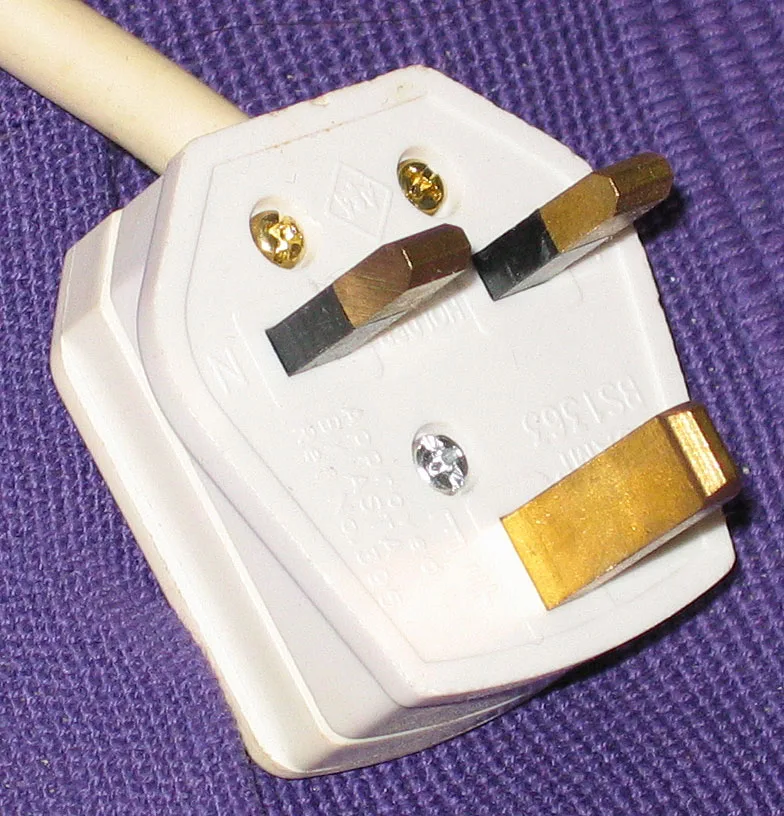
- Plugs and voltage: UK plugs are the three-pin type, and mains voltage is 220–240V. If you've brought high-power appliances from home (hairdryers, rice cookers), check the voltage on the label first, and don't plug them into a cheap multi-socket adapter.
- Laundry: most halls and flats run washing machines on coin payment or an app. Photograph the machine number and price before you use it; if a payment fails, don't keep retrying — keep a screenshot in case you need to dispute it later.
- Heating and hot water: whether it's included in the rent, and whether there's a usage cap, comes down to what the contract says — a verbal promise doesn't count.
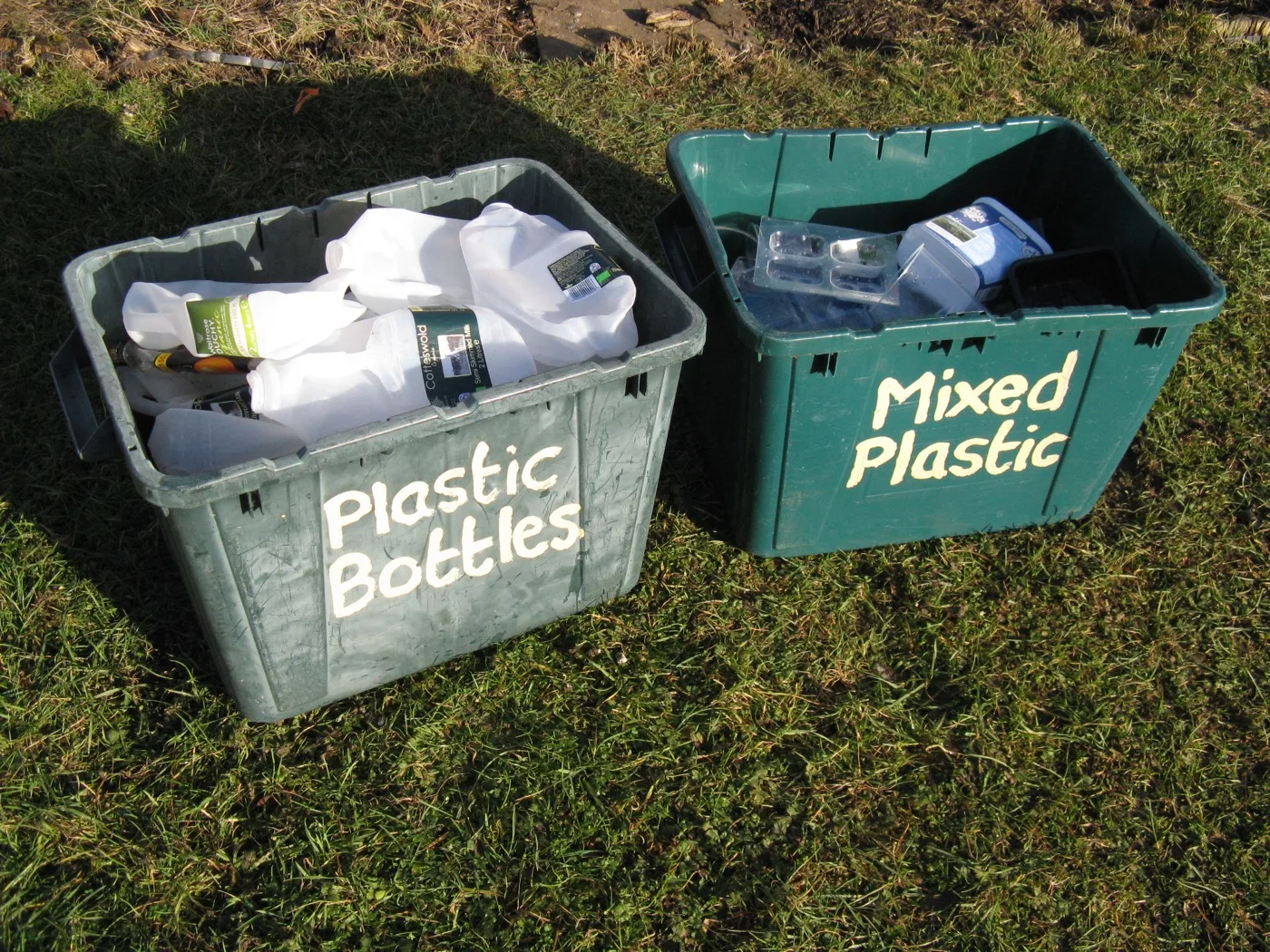
- Sorting rubbish: recycling rules differ across all four UK nations. Once you've moved in, check your local council's website directly rather than copying a guide for a different city.
- Council Tax student exemption: if everyone in the property is a full-time student (course at least a year long, at least 21 hours of study a week), the whole property is exempt from Council Tax. Even if a bill shows up, you can contact the council yourself to apply for the exemption — it isn't applied automatically.
- Bank holidays: banks, GP surgeries, deliveries and some supermarkets run shorter hours or close entirely on UK bank holidays — don't leave anything important until the last day of a long weekend.
- Back these up: your passport, visa details or share code, tenancy agreement, CAS, and insurance — photograph them and save a copy on your phone and in the cloud.
- One more thing to watch for: banks, GPs, landlords and halls will never ask for your full online banking password or a one-time code over an unsolicited text or link — verify anything suspicious by calling the official number or using the official app. In stations or crowded areas, keep your phone out of your outer coat pocket.
Your first-week checklist
Treat the list below as a set of boxes to tick off one by one:
- Accommodation checked over — photos and meter readings taken, damage logged against the inventory
- GP online registration submitted, confirmation email or patient number saved
- UK SIM/eSIM and at least one working payment method sorted
- First supermarket trip done, essentials only, no unnecessary stockpiling
- Your council's recycling rules and collection day looked up
- Found where to apply for the Council Tax student exemption
- Saved your school's welcome week schedule, student ID details, and health/wellbeing support info
Send this list to whoever you're moving in with, and take photos together against the checklist on move-in day — it's useful evidence if anything comes up later. Rules around renting, the NHS and supermarkets shift over time and by region, so check GOV.UK, the NHS and your local council's website for the current position.

Zaizai
UK Museum Guide